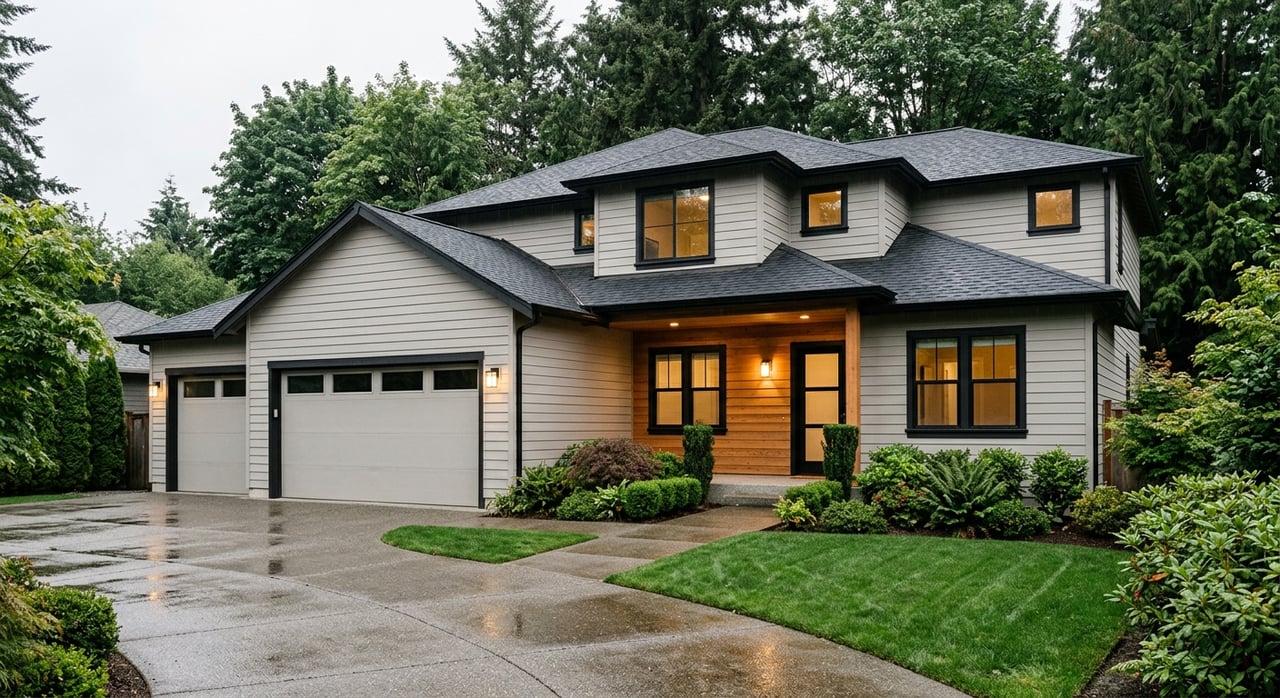
If you only know Woodinville for its tasting rooms, you might miss what actually makes it livable day to day. For many people, the real question is not what to do on a Saturday, but what life feels like on a Tuesday morning, a school-night evening, or a quick errand run after work. If you are thinking about moving to Woodinville or selling a home here, this guide will help you understand the city beyond its wine-country reputation. Let’s dive in.
Woodinville Feels Smaller Than the Region Around It
Woodinville remains a relatively small city within the larger Seattle-Bellevue-Everett area. As of July 2025, the city had an estimated population of 14,548 residents, which helps explain why many people describe it as more personal and less hectic than larger nearby job centers.
That smaller scale shows up in how the city grew. Woodinville planning materials describe it as a former rural town through the 1970s, and that history still shapes the residential feel today. You can still see that influence in larger-lot areas, woodland districts, and neighborhoods that feel more spread out than what you might expect on the Eastside.
Housing Mix Shapes Daily Life
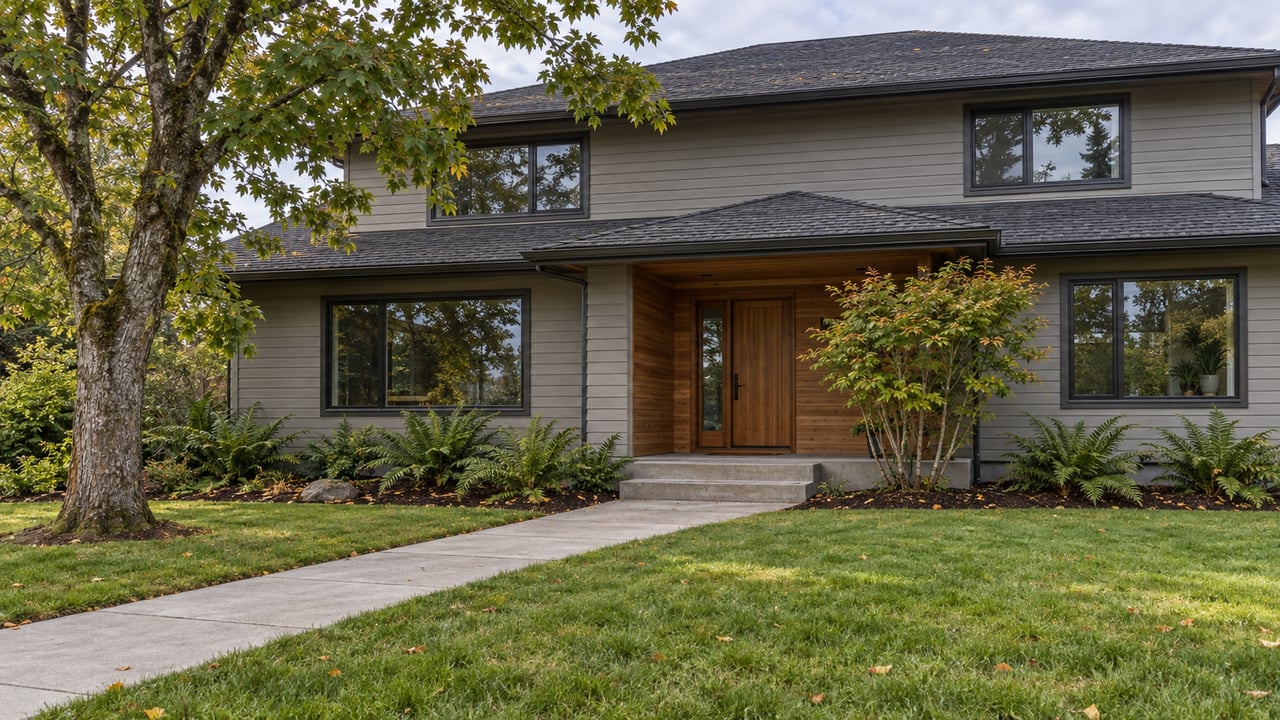
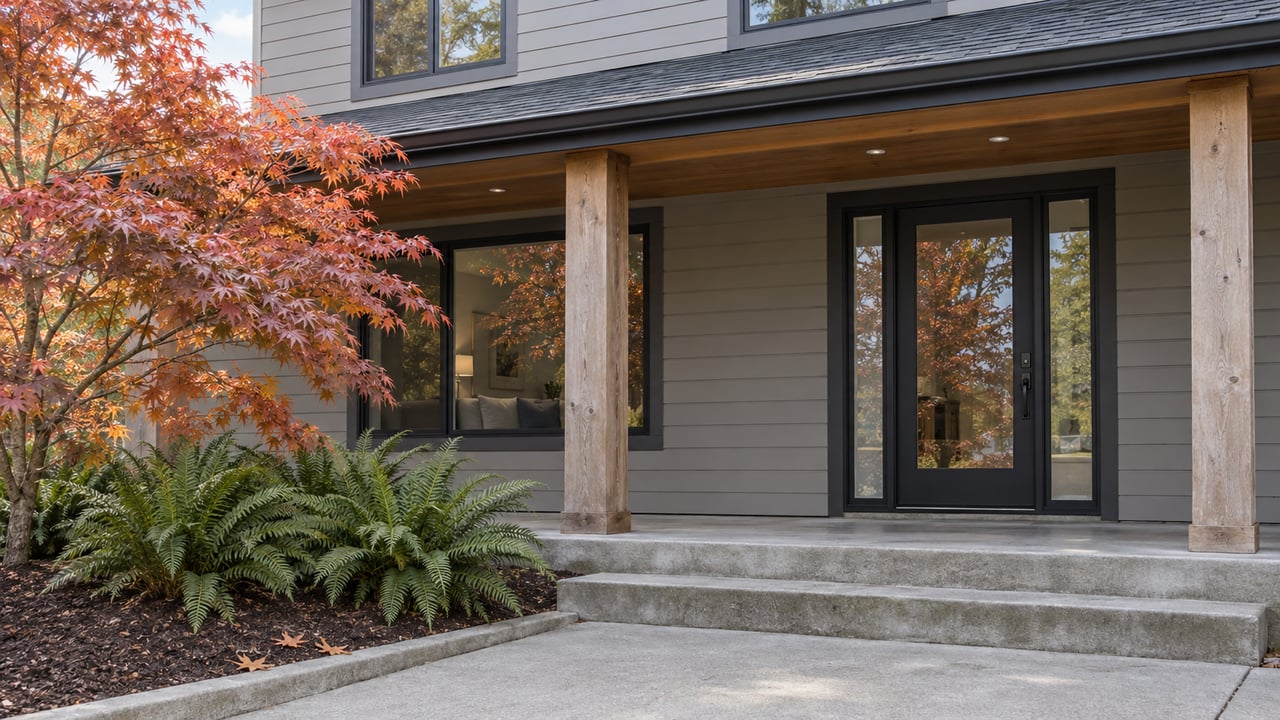
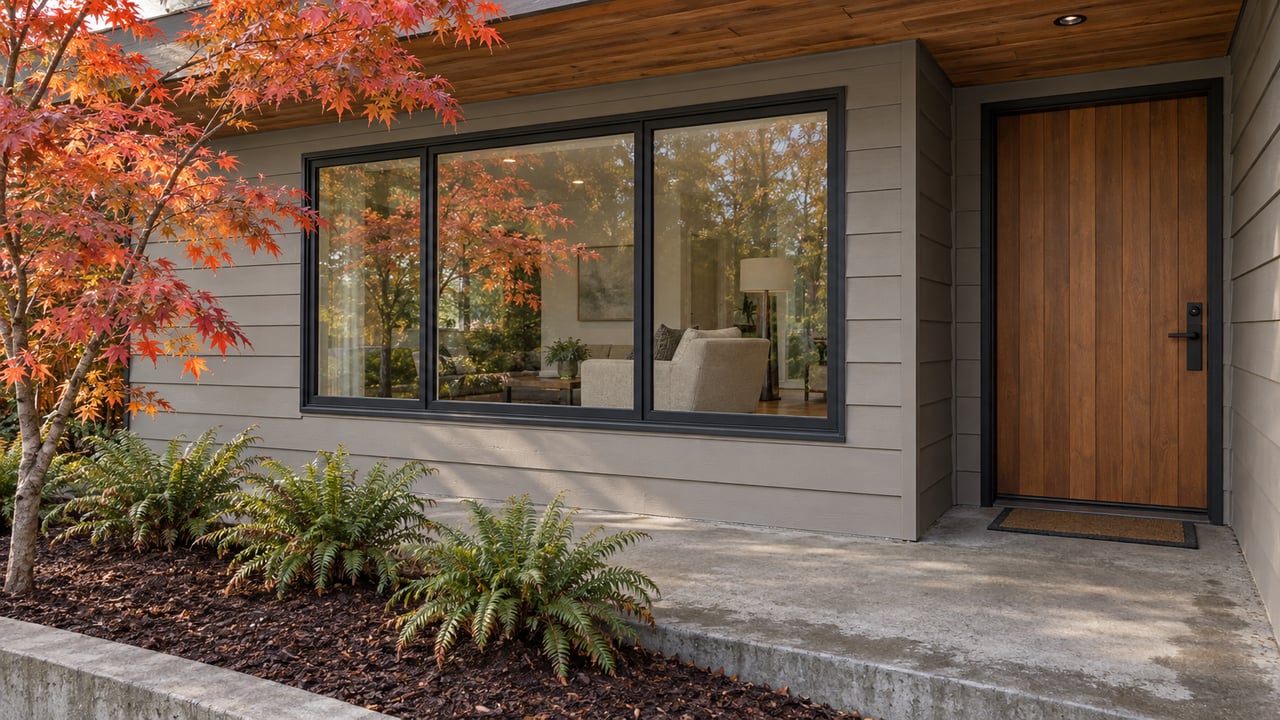
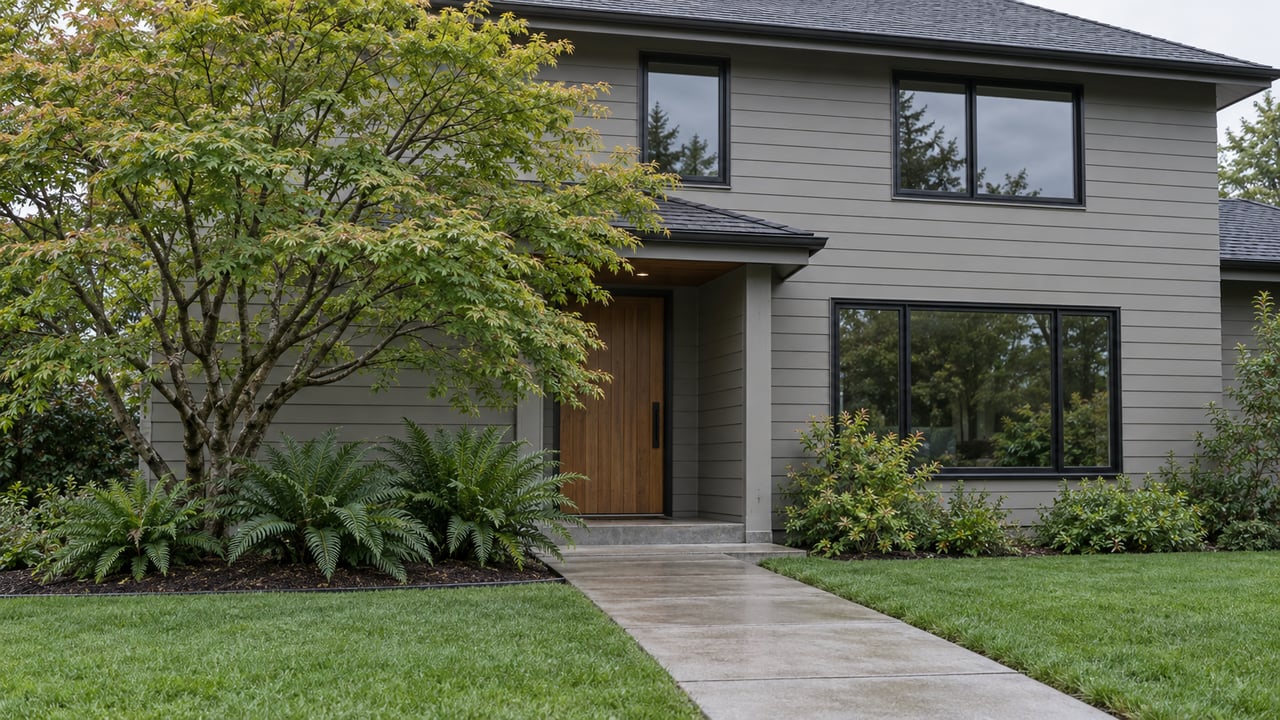
Woodinville offers a mix of home types, but detached homes still make up the largest share of the housing stock. Census data shows 55% of homes are detached single-family, nearly 39% are multifamily, 6% are attached single-family, and less than 1% are duplexes.
For you as a buyer or seller, that means Woodinville is not just one thing. Some parts of the city feel more traditional and low-density, while newer mixed-use and infill housing is adding a different kind of lifestyle closer to downtown. Projects like Midtown Woodinville and Eastrail Flats reflect that shift toward more housing near the city core.
City planning also preserves lower-density character in certain areas. The future land-use map keeps a large-lot woodland residential district in the northeastern forested part of the city and low-density residential areas where environmental constraints and service expansion costs limit more intensive development.
Cost Is Part of the Conversation
Everyday life in Woodinville also comes with a higher price point. Census QuickFacts reports a 57.3% owner-occupied housing unit rate, a median value of $1,100,100 for owner-occupied homes, and a median gross rent of $2,416.
That does not tell you what any one home should cost, but it does give useful context. If you are buying, it helps to go in with a realistic budget and a clear idea of what trade-offs matter most to you, whether that is home size, location, lot type, or proximity to downtown services. If you are selling, these numbers help frame why pricing strategy and presentation matter in a city where buyers tend to look closely at value.
Daily Errands Are Straightforward
One of the biggest quality-of-life questions in any city is simple: how easy is it to get through an ordinary week? In Woodinville, routine errands are supported by a blend of downtown retail, neighborhood services, and essential businesses spread throughout the city.
Woodinville’s economic development plan describes a pedestrian-oriented downtown core and a tourist district that still includes daily retail and personal-service uses. It also notes more auto-oriented retail and distributed commercial uses in other parts of the city, which means your daily routine may involve a mix of walkable stops and short drives depending on where you live.
For groceries, Woodinville has key in-city options. Official store pages list Haggen at 17641 Garden Way NE and Safeway at 19150 NE Woodinville-Duvall Rd. For many residents, that means basic weekly shopping can stay local instead of becoming a cross-city trip.
City Services Support the Basics
The practical side of living somewhere matters just as much as charm. Woodinville’s official community information notes that fire protection is provided by the Woodinville Fire and Rescue District, water and sewer come from the Woodinville Water District, and solid waste and recycling service is handled by Waste Management.
Those details may not be flashy, but they are part of what shapes everyday confidence in a place. When you are comparing communities, it helps to know that the city’s core services and civic systems are clearly established.
Community Amenities Go Beyond Shopping
Woodinville also offers civic spaces that support normal routines, not just weekend plans. The city highlights the Woodinville Library and the Northshore YMCA as important local amenities.
That matters because everyday life tends to revolve around repeat destinations. Whether you are picking up books, heading to a class, meeting people, or fitting in exercise, places like these often become part of the rhythm that makes a city feel like home.
Parks Are a Big Part of the Lifestyle
For many residents, Woodinville’s outdoor access is one of its biggest everyday strengths. The city says it has three community parks, five neighborhood parks, the Woodinville Sports Fields, and more than 130 acres of open space and environmental protection areas.
That gives you more than just scenic value. It creates places to walk, play, meet up, or get outside without needing a major plan. In a region where outdoor time is part of the culture, that kind of access can have a real impact on day-to-day life.
Parks People Use Regularly
Several city parks stand out because they support both casual use and community events. Popular parks include DeYoung Park, Wilmot Gateway Park, and Rotary Community Park.
Rotary Community Park is the city’s largest park and includes a boardwalk loop trail, skate and BMX area, playground, and picnic shelters. Wilmot Gateway Park connects directly to the Sammamish River Trail and also hosts community events, which gives it a role in both recreation and the city’s shared calendar.
Trails Connect Woodinville to the Region
The trail system is one of the clearest examples of how Woodinville works in everyday life. City transportation materials say the Sammamish River Trail provides a north-south bicycle and pedestrian connection across the city and links Woodinville to Bothell, Kenmore, Lake Forest Park, Seattle, Redmond, Bellevue, and Sammamish.
That kind of connection can change how you use the city. Some people use the trails for exercise, some for family outings, and some for practical bike access between destinations. Either way, it adds mobility and outdoor access that go well beyond a single neighborhood park.
The city also notes that the Eastrail Corridor Project will eventually connect Woodinville to a 42-mile trail network stretching from Renton to Snohomish. In addition, the Wood Trails area provides 53 acres of undeveloped land with multiple trailheads.
Walking and Biking Infrastructure Matters
Woodinville is not only about big regional trails. The city says it maintains 35 miles of sidewalks and trails along with more than 650 crosswalks.
For everyday living, that matters because it supports shorter trips and safer connections to parks, services, and surrounding areas. Even if you still drive most places, this level of pedestrian infrastructure can make parts of the city feel more accessible and easier to navigate.
Trees Still Define the Setting
Woodinville’s natural setting is not just marketing language. The city reports 45% tree canopy coverage in 2017, which was above its 40% goal, and it remains designated as a Tree City USA community.
For residents, that tree canopy helps shape the visual feel of the city. It supports the sense that Woodinville still holds onto some of its woodland identity even as housing and mixed-use development continue to evolve.
Seasonal Events Create a Community Rhythm
A city feels different when people have reasons to gather throughout the year. Woodinville’s community calendar includes recurring events such as the Celebrate Woodinville summer concert series at Wilmot Gateway Park, farmers markets near City Hall, Winterfest at DeYoung Park, the Woodinville Car Cruise, and the annual Trick or Tree Arbor Day event with the Woodinville Library.
These events help create a local rhythm that goes beyond tourism. If you live here, they become part of the backdrop of the year, with familiar places taking on different roles by season.
Woodinville Is Still a Commuter City
Even with local amenities and some in-city employment, Woodinville remains closely tied to the larger region. The city’s community profile says about 5,783 residents commute out of the city for work, and Census QuickFacts lists a mean travel time to work of 25.5 minutes.
That commuter pattern matters if you are weighing convenience against pace of life. Woodinville can offer a more residential setting while still functioning as a base for people working in nearby employment centers.
Local and Regional Access
Woodinville does have some local employment. The city profile notes that manufacturing, construction, and retail trade account for about half of jobs held by workers in Woodinville.
For regional access, transit and park-and-ride options expand the picture. Woodinville Park & Ride serves Metro 231 and 311 plus Sound Transit 522, Route 522 goes to Roosevelt Station, Route 256 runs to Downtown Seattle by way of Brickyard, Kingsgate, Evergreen Point, and South Lake Union, and Route 230/231 serves Bothell and Kirkland.
What This Means for Buyers and Sellers
If you are thinking about buying in Woodinville, the city offers a specific balance. You get a smaller-city feel, a mix of established and newer housing, practical day-to-day services, strong park and trail access, and useful regional connections.
If you are thinking about selling, these same traits help explain Woodinville’s appeal to a wide range of buyers. The lifestyle story here is not just about wineries. It is about routine convenience, outdoor access, lower-density residential character in many areas, and a location that still works for commuters.
That is often the difference between a place people visit and a place people choose to call home. When you understand how Woodinville functions in everyday life, you can make a more confident move whether you are buying your first place, moving up, or preparing to list.
If you want practical guidance on buying or selling in Woodinville, Sam Burke offers direct, local support backed by strong marketing tools and hands-on service.
FAQs
What is everyday life like in Woodinville, WA?
- Everyday life in Woodinville is shaped by a smaller-city feel, a mix of residential neighborhoods and newer downtown housing, practical retail and services, strong park access, and commuter connections to the broader region.
Is Woodinville, WA only known for wineries?
- No. While wineries are a major part of its public identity, Woodinville also has grocery stores, civic amenities, parks, trails, community events, and established residential areas that shape daily life for residents.
What kinds of homes are common in Woodinville, WA?
- Detached single-family homes make up the largest share of housing in Woodinville at 55%, followed by multifamily housing at nearly 39%, attached single-family at 6%, and duplexes at less than 1%.
Are there parks and trails in Woodinville, WA?
- Yes. Woodinville has three community parks, five neighborhood parks, more than 130 acres of open space and environmental protection areas, and trail connections including the Sammamish River Trail.
Is Woodinville, WA a commuter-friendly place to live?
- Woodinville is still a commuter city, with thousands of residents traveling out of the city for work, a mean travel time of 25.5 minutes, and transit access through Woodinville Park & Ride and multiple regional routes.
Are daily errands easy in Woodinville, WA?
- Routine errands are generally straightforward, with a downtown core, neighborhood services, and in-city grocery options including Haggen and Safeway.