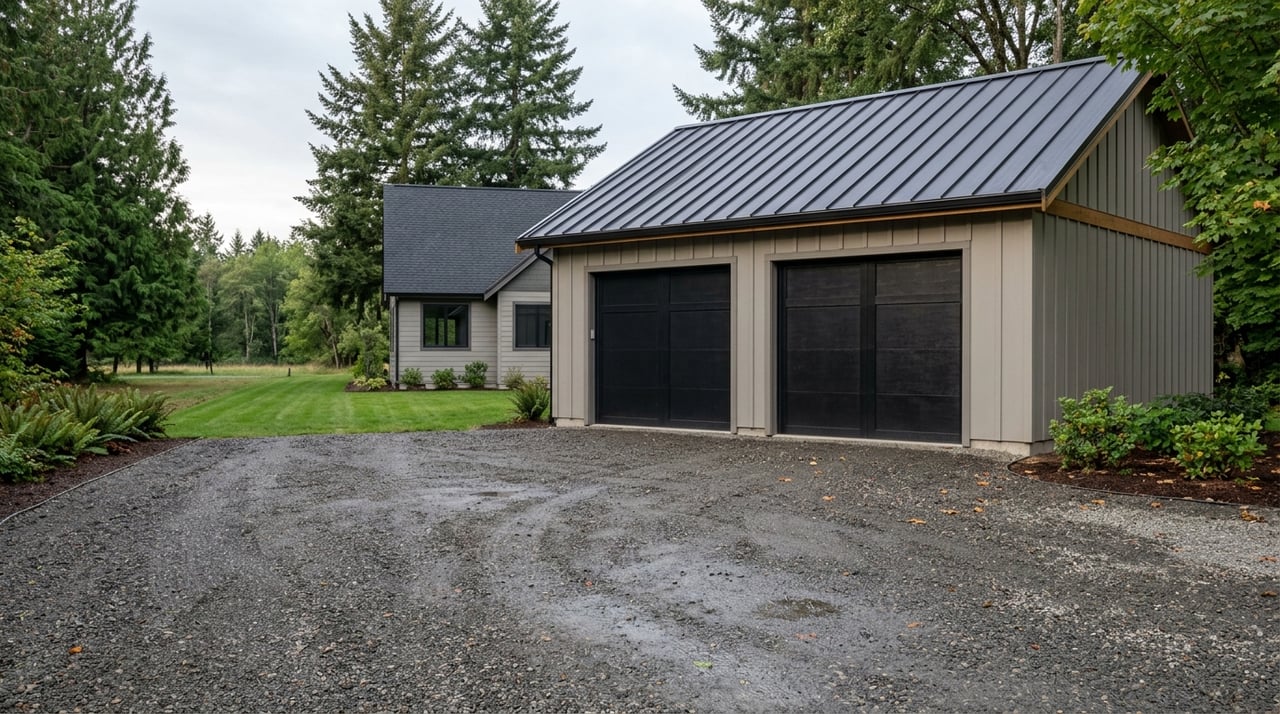
Selling acreage in Woodinville is different from selling a typical suburban home. Buyers are not just evaluating square footage and finishes. They are also looking at access, drainage, septic or well systems, outbuildings, and how the land actually functions day to day. If you want a smoother sale and fewer surprises, the key is to prepare the property as a complete land-and-home package. Let’s dive in.
Start With Jurisdiction and Land Rules
Before your listing goes live, confirm whether your property is inside Woodinville city limits or in unincorporated King County. That matters because cities handle their own zoning, land use, and permits inside city limits, while King County handles unincorporated areas. Knowing the governing jurisdiction helps you understand what rules apply to the parcel.
Woodinville also maintains maps for zoning, wetlands, drainage basins, sensitive geologic areas, and other land-use factors. On acreage, these mapped overlays can affect how buyers view the property and what they believe they can do with it later. If your land has any of these features, it is better to understand them early and present them clearly.
Gather Key Property Records Early
Acreage buyers often want answers that go beyond the house itself. They may ask about boundary lines, easements, access agreements, old permits, or utility records before they feel comfortable moving forward. The more organized you are upfront, the more confidence you can create.
King County records can help you pull recorded documents by parcel ID, legal description, and recording number. For many Woodinville acreage sellers, it makes sense to gather:
- Surveys
- Plats
- Easements
- Private road agreements
- Permit records
- Septic records
- Site plans for major systems or improvements
Having these documents ready can make your listing feel more credible and easier to understand. It also helps reduce delays once a buyer starts asking detailed questions.
Prepare for Washington Seller Disclosures
In Washington, seller disclosure forms already ask about issues that matter a lot on acreage properties. That includes encroachments or boundary disputes, private road or easement agreements for access, and flooding, standing water, or drainage problems that affect the property or access. These are not side notes on a Woodinville acreage sale.
State law also requires a separate notice about possible proximity to a farm or working forest. If your property is near that kind of land use, this needs to be handled correctly. A transparent approach helps buyers understand the setting and helps you avoid preventable friction later.
Verify Access and Driveway Details
Access is one of the first practical questions acreage buyers ask. They want to know whether access is legal, documented, and dependable year-round. If the driveway or road setup feels unclear, buyers may start to worry about future use or maintenance.
King County notes that a direct driveway connection to a maintained county road does not require a right-of-way use permit, but it still must comply with road standards. An extended right-of-way use permit is required for public right-of-way use lasting more than one year, such as a privately maintained road. For a seller, the takeaway is simple: verify any private road, shared access, or easement arrangement before you market the property.
Get Septic and Well Information in Order
If your Woodinville acreage has a septic system, this step is essential. King County requires the system to be inspected by a certified on-site system maintainer before transfer of title. Before closing, the seller must also record the OSSM notice and provide a copy to the buyer.
King County also notes that septic-related applications often require the approved septic permit and site plan, and the application is not complete without the needed Public Health approvals. If you wait too long to track down these records, your transaction timeline can get tighter than it needs to be.
If the property uses a private well, Washington Department of Health says the owner is responsible for testing the water. The department recommends annual testing for coliform bacteria and nitrate, and notes that sellers in many counties may be asked to provide water-sampling results. Clean, current records can reassure buyers that the system has been maintained.
Check Outbuildings, Fences, and Land Work
On acreage properties, barns, shops, sheds, fencing, retaining walls, grading, and clearing often add real value. They can also raise questions if buyers are not sure whether work was properly permitted when required. This is another area where early prep helps.
King County notes that some items can be permit-exempt, including a storage shed of 200 square feet or less, fences 6 feet high or less, and most retaining walls 4 feet high or less. But critical areas, flood zones, steep slopes, wetlands, setbacks, and clearing or grading work can trigger permit review. If you have improvements on the property, confirm what was done and whether documentation exists.
Clean Up the Land to Show Stewardship
Acreage can feel either well cared for or overwhelming within the first few minutes of a showing. One of the fastest ways to improve that impression is to clean up anything that makes the land look neglected. You want buyers to feel that the property has been actively managed.
King County’s noxious weed program notes that noxious weeds are found in urban, suburban, and rural areas on both developed and undeveloped land. Field-edge cleanup, invasive plant removal, and brush management can send a strong signal that the property has been maintained. Even simple cleanup can make the usable land easier to see.
Make Pasture and Wooded Areas Understandable
If your acreage includes pasture, livestock space, or forested ground, buyers may not know how to read what they are seeing. Your goal is to make the land feel functional, not mysterious. Clear presentation matters just as much outdoors as it does inside the home.
King Conservation District’s farm conservation planning considers factors such as slope, soils, proximity to streams or water bodies, livestock or crops, and existing buildings. It can address pasture management, fencing, manure composting, weed management, and cross-fencing. If your property has these features, organized upkeep can help buyers understand the land’s use more clearly.
For wooded property, King Conservation District’s Small Lot Forestry program serves private landowners with more than 1 acre of forest, and county foresters can provide free assistance to owners with more than 5 acres of woods. If your lot includes forested areas, thoughtful cleanup and spacing can improve both appearance and buyer confidence.
Improve Defensible Space Around the Home
Brush and tree management near the house is not just about looks. It can also affect how buyers perceive safety, maintenance, and long-term care. On a Woodinville acreage listing, the area closest to the home should feel open, intentional, and manageable.
Washington DNR says as many as 80% of homes lost to wildland fire may have been saved if brush around the home had been cleared and defensible space created. King Conservation District’s Wildfire Mitigation Program focuses on the first 100 feet around homes and can help with risk assessments and vegetation management. Creating cleaner space around the home can help your property show better while reflecting practical stewardship.
Stage the House and the Land Together
Acreage buyers are buying a lifestyle, but they still need clarity. If garages, barns, porches, shops, sheds, and patios are packed full, buyers may struggle to understand how those spaces function. Good staging helps the whole property make sense.
NAR defines staging as cleaning, decluttering, and styling a home so buyers can envision living there. In its 2025 survey, 83% of buyers’ agents said staging made it easier for buyers to visualize the property as a future home. The same principle applies outside: clear walkways, tidy work areas, simplify storage spaces, and remove distractions that make the acreage feel harder to interpret.
Inside the home, focus on the basics that consistently help. Pack away personal items, avoid overfilling closets, clean high-traffic areas, and gather manuals or warranties for systems that will stay with the property. On acreage, that level of preparation helps buyers trust both the home and the land.
Answer Buyer Questions Before They Ask
The strongest acreage listings do not wait for buyers to uncover weak spots. They answer practical questions before concern has time to grow. That approach builds trust and can make your home easier to market with confidence.
Try to be ready with clear information on:
- Access and whether it is legal and documented
- Any known boundary, drainage, or flooding issues
- Septic records and required inspection details
- Well testing and maintenance records, if applicable
- Permit history for barns, shops, sheds, fences, driveways, or grading
- Whether mapped wetlands, steep slopes, or other critical areas affect the land
- Whether the required farm or working forest notice applies
When buyers can quickly understand how the property works, they are more likely to focus on its value instead of its unknowns.
Why Transparency Helps You Sell Better
Woodinville acreage can be incredibly appealing, but it asks more of both sellers and buyers. The house, land, systems, and access all work together in a way that buyers notice right away. If one part feels vague, it can affect how they view the whole property.
A successful sale usually comes down to two things: making the acreage easy to read and easy to trust. When you document the important details, clean up the land, and present the property as a complete and usable package, you put yourself in a stronger position from day one.
If you are getting ready to sell acreage in Woodinville, working with a broker who understands both the home and the land can make the process much more manageable. For practical guidance, responsive communication, and hands-on support, connect with Sam Burke.
FAQs
What should you do first before listing acreage in Woodinville?
- Start by confirming whether the property is governed by the City of Woodinville or unincorporated King County, then check for zoning, wetlands, drainage, or other mapped overlays that may affect the parcel.
What records should you gather for a Woodinville acreage sale?
- Gather surveys, plats, easements, road agreements, permit records, septic records, and any available site plans or recorded documents tied to the property.
What septic steps are required for selling acreage in King County?
- If the property has septic, King County requires an inspection by a certified on-site system maintainer before transfer of title, and the seller must record the OSSM notice before closing and provide a copy to the buyer.
What do buyers want to know about access on a Woodinville acreage property?
- Buyers usually want to know whether driveway access is legal, documented, and dependable, especially if the property uses a private road, shared access, or an easement.
Why does land cleanup matter when selling acreage in Woodinville?
- Cleanup helps buyers see that the property has been maintained, makes usable areas easier to understand, and reduces the neglected look that weeds, brush, or clutter can create.
Do outbuildings and land improvements need permit review in King County?
- Some small items may be permit-exempt, but barns, shops, sheds, grading, clearing, retaining walls, and other improvements may require review depending on size, location, and site conditions such as wetlands or steep slopes.