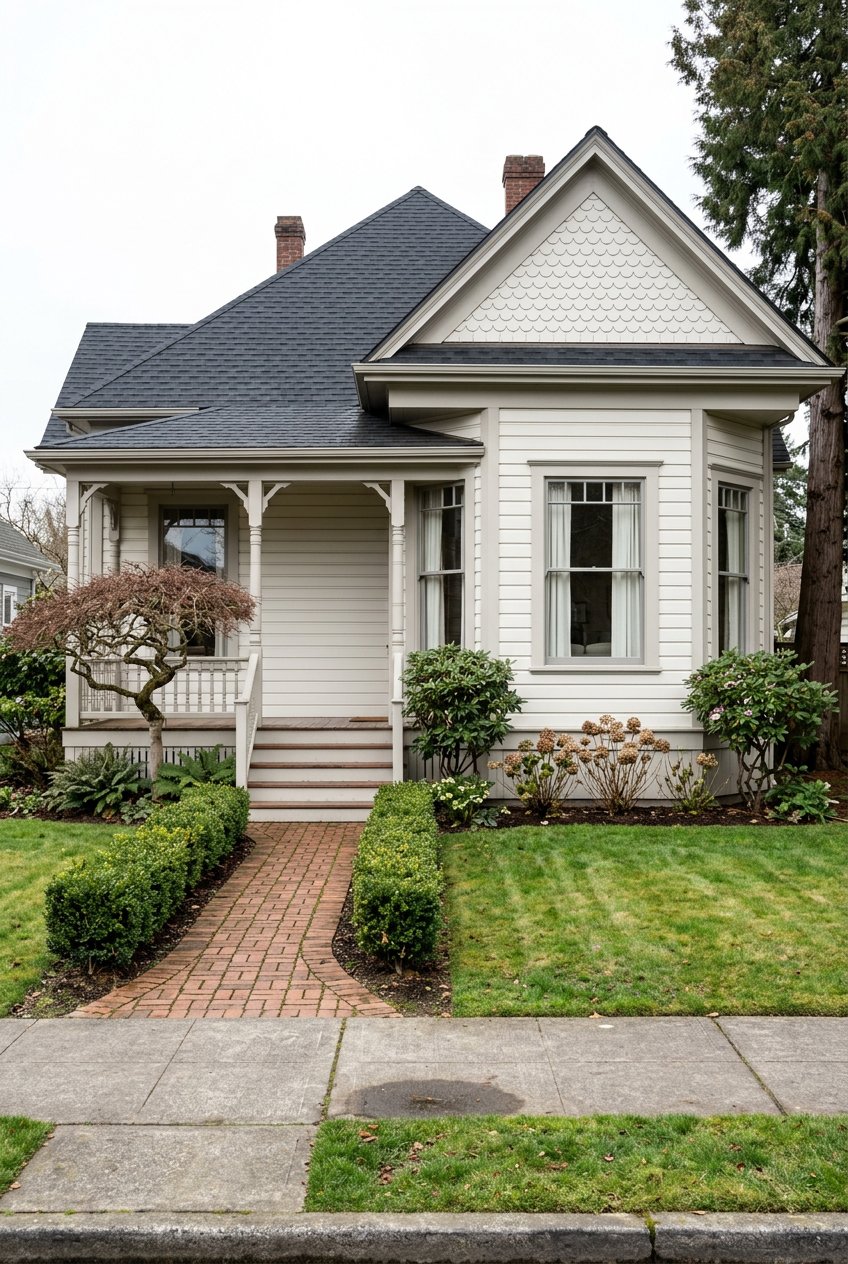
Ever wish you could live on a true main street with brick storefronts, leafy sidewalks, and river views just a few steps away? In historic Snohomish, you can. If you love classic architecture, walkable blocks, and a lively small‑town core, exploring these neighborhoods is worth your time. In this guide, you’ll learn where the historic areas are, what the homes look like, how day‑to‑day life feels, and the key things to check before you buy. Let’s dive in.
Where Snohomish history lives today
Historic Downtown Snohomish is a locally defined district that was listed on the National and State Historic Registers in the 1970s. The district includes the First Street riverfront and adjacent residential blocks that climb the south‑facing slope above the Snohomish River. City materials describe roughly 26 blocks where historic standards apply. You can review the official district information and map resources on the City’s Historic District page.
- Learn the basics on the City of Snohomish Historic District page: official district overview and resources.
First Street and the riverfront
First Street is the historic spine. Picture brick commercial facades, cornices, and big storefront windows along a compact, pedestrian‑oriented strip. Visitors often describe it as a quintessential small‑town main street, and it is a major draw for the region’s day‑trippers and cyclists. For context on the town and riverfront setting, see the Snohomish overview.
Snohomish is also known as the “Antique Capital of the Northwest,” with a cluster of antique malls and dealers that shape the daytime rhythm on First Street. If you like browsing unique finds between coffee stops, you will feel right at home along the antique row described in this regional day‑trip guide to Snohomish antique shops.
Just below First Street, small riverfront parks like KlaHaYa Park and Cady Park offer green space and views. The Centennial Trail, a 30‑mile rail‑trail, reaches its southern end in downtown, so it is easy to hop on for a weekend ride or evening walk. Explore the route on TrailLink’s Centennial Trail page.
Residential streets around downtown
A few blocks east of the commercial core, the Blackman and Avenue B area shows off the district’s oldest homes. The Blackman House, now a local museum, anchors these streets and offers a window into 19th‑century Snohomish life. If you want to dig deeper into neighborhood history and house stories, visit the Snohomish Historical Society’s Blackman Museum page.
Farther east, the Maple and Pine corridor mixes older single‑family homes and small multifamily buildings with corner retail. If you want short walks to coffee and shops without living directly on First Street, this band is worth a look.
Nearby hilltop and quiet pockets
If you prefer a little more elbow room while staying close to the historic core, look just outside downtown in areas like Fobes Hill and Dutch Hill. These pockets tend to have larger lots and a quieter feel compared with the compact grid near First Street. Many buyers choose them for a country‑adjacent lifestyle with a quick drive into town.
What the homes look like
Most historic‑district houses date from the 1860s through the early 1900s. Styles you will see include Queen Anne and other late‑Victorian forms, Craftsman Bungalows, Shingle, Colonial Revival, Italianate, and Stick or Eastlake variants. The city’s materials outline character‑defining features, which helps when you plan maintenance or updates.
Here are quick visual cues to spot:
- Queen Anne or Victorian: Asymmetrical facades, towers or turrets, bay windows, patterned shingles, and generous porches. For a style primer, see the National Park Service guide to Queen Anne features.
- Craftsman Bungalow: Low, horizontal rooflines, wide porches with square or tapered columns, exposed rafter tails, and cozy, practical interiors.
- Colonial Revival: Symmetrical fronts, classical porch columns, and simple trim.
- Historic commercial blocks: Brick storefronts with cornices and large display windows along First Street.
If you value original wood siding, tall windows, and front‑porch living, these blocks deliver a lot of charm.
Walkability and lifestyle
Downtown Snohomish scores as Very Walkable, with public walkability indexes showing scores in the mid 80s. That means you can grab groceries, meet friends for coffee, and run errands on foot from many homes in the historic core. See the local profile on Walk Score’s Snohomish page.
You will also find a lively calendar. First Street hosts a seasonal farmers market and regular community events that sometimes close parts of the street, including parades, car shows, wine walks, and Kla Ha Ya Days. Antique shops, tasting rooms, and cafés keep foot traffic steady throughout the week. The riverfront parks and trail access add quick outdoor time without a long drive.
Imagine a day downtown
- Morning: Coffee on First Street, then a quick stroll along the river to Cady Park. If you are up for a longer walk or ride, join the Centennial Trail at its southern terminus downtown.
- Midday: Browse a few antique shops to find a statement piece or vintage glassware. The regional guide to Snohomish antiquing highlights the clustered shops that make browsing easy.
- Afternoon: Picnic in KlaHaYa Park or relax at a sidewalk table and people‑watch. On market days, pick up produce and flowers before heading home.
Buying a historic Snohomish home
Understand the rules
If the property is inside the Historic District, exterior changes will likely go through the city’s design review. The review uses the Historic District Design Standards and the Secretary of the Interior’s Standards for Rehabilitation as the basis for decisions. Before you plan window replacements, porch work, or storefront updates, review the City of Snohomish Historic District resources and connect with the city’s design review program page to understand submittal steps.
Renovation incentives
Federal historic rehabilitation tax credits are generally limited to income‑producing buildings, such as commercial or rental properties. Owner‑occupied single‑family homes typically do not qualify. If you are considering a mixed‑use or commercial project, start with the Washington State DAHP guidance on federal historic tax credits and verify local options that may apply.
Common old‑house checks
Older Snohomish homes often have aging systems, including galvanized plumbing, older electrical such as knob‑and‑tube or early cloth wiring, and single‑pane windows. None of these are automatic deal‑breakers, but they are budget items to consider. Ask for contractor estimates during your inspection period so you can plan upgrades.
If the home was built before 1978, lead‑safe practices are essential. Washington requires Renovation, Repair and Painting certification for contractors who disturb painted surfaces in pre‑1978 housing. Learn more about contractor requirements on the state’s RRP program page.
Floodplain and insurance
Some downtown and river‑adjacent properties sit near the Snohomish and Pilchuck River floodplain. Flood‑zone status can affect insurance requirements, permitted construction elevations, and remodeling rules. Before you write an offer, check parcel status using the county’s DFIRM floodplain map resources. Many lenders will require flood insurance if a property is in a FEMA Special Flood Hazard Area.
Quick buyer checklist
Use this short list to move from browsing to confident due diligence:
- Walk the block midday and evening to get a feel for activity, parking, and noise.
- Ask for permit history and compare it with public records, starting with the city’s Historic District resources to understand review triggers.
- Run the parcel through the county’s DFIRM floodplain maps to confirm flood‑zone status and likely insurance needs.
- If the home predates 1978, plan for lead‑safe work and hire RRP‑certified contractors.
- Choose an inspector experienced with historic homes and ask for a sample report that calls out foundations, roofing, electrical, and masonry details.
Ready to explore historic Snohomish?
If you want a walkable main street, classic architecture, and quick access to trails and parks, the historic Snohomish core delivers a rare mix. With a little planning on design review, flood maps, and system updates, you can buy confidently and enjoy the charm that drew you here in the first place. If you are ready to tour homes or want help matching your wish list to the right blocks, reach out to Sam Burke for local guidance and a clear plan to move forward.
FAQs
What is the Historic District in Snohomish and where is it?
- It is a locally defined district listed on the National and State Historic Registers that includes First Street’s riverfront commercial blocks and nearby residential streets on the slope above the river.
Can I change the exterior of a home in the Historic District?
- Often yes, but visible exterior work typically goes through city design review and must follow the district’s standards, so contact the city before planning updates.
Are there tax credits for fixing up a private historic home?
- Federal credits usually apply to income‑producing properties, not owner‑occupied homes; check state and local programs early if incentives are part of your plan.
What old‑house issues should I budget for in Snohomish?
- Expect potential upgrades for plumbing, electrical, insulation, and windows, plus lead‑safe practices for pre‑1978 paint during any renovation.
How walkable is historic downtown Snohomish for daily errands?
- Public walkability indexes rate downtown in the mid 80s, so many errands, cafés, and shops are a short walk from homes in the core.
Do I need to worry about flooding near First Street or the river?
- Some parcels are in mapped flood zones, which can impact insurance and remodeling rules; always check the county’s DFIRM maps before you buy.