Torn between the city energy of Seattle and the calmer pace of the Eastside? You’re not alone. Many buyers compare these two close neighbors because they offer very different day-to-day experiences. In this guide, you’ll see how commute options, housing types, prices, schools, culture, and outdoor access stack up so you can zero in on what fits your life. Let’s dive in.
Big-picture differences
Seattle leans urban. You get denser, more walkable neighborhoods, late-night dining and music, and a strong arts scene. You’ll also see more mid- and high-rise living alongside classic single-family blocks.
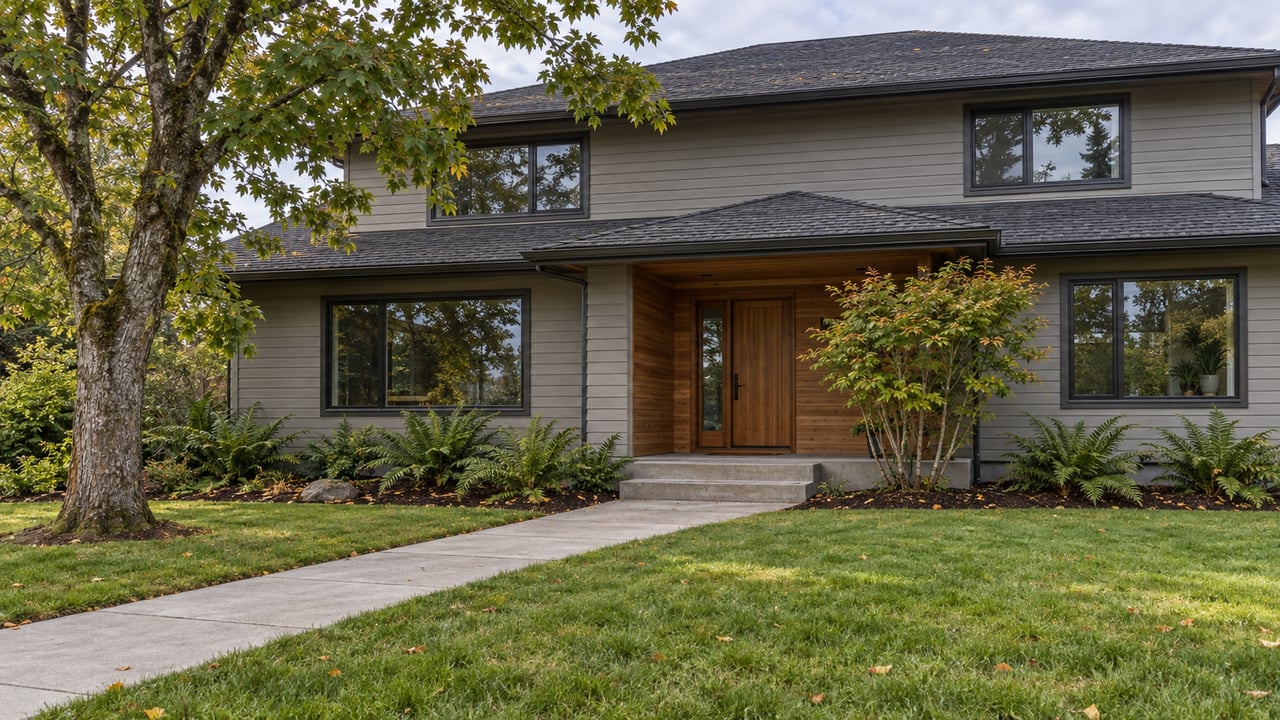
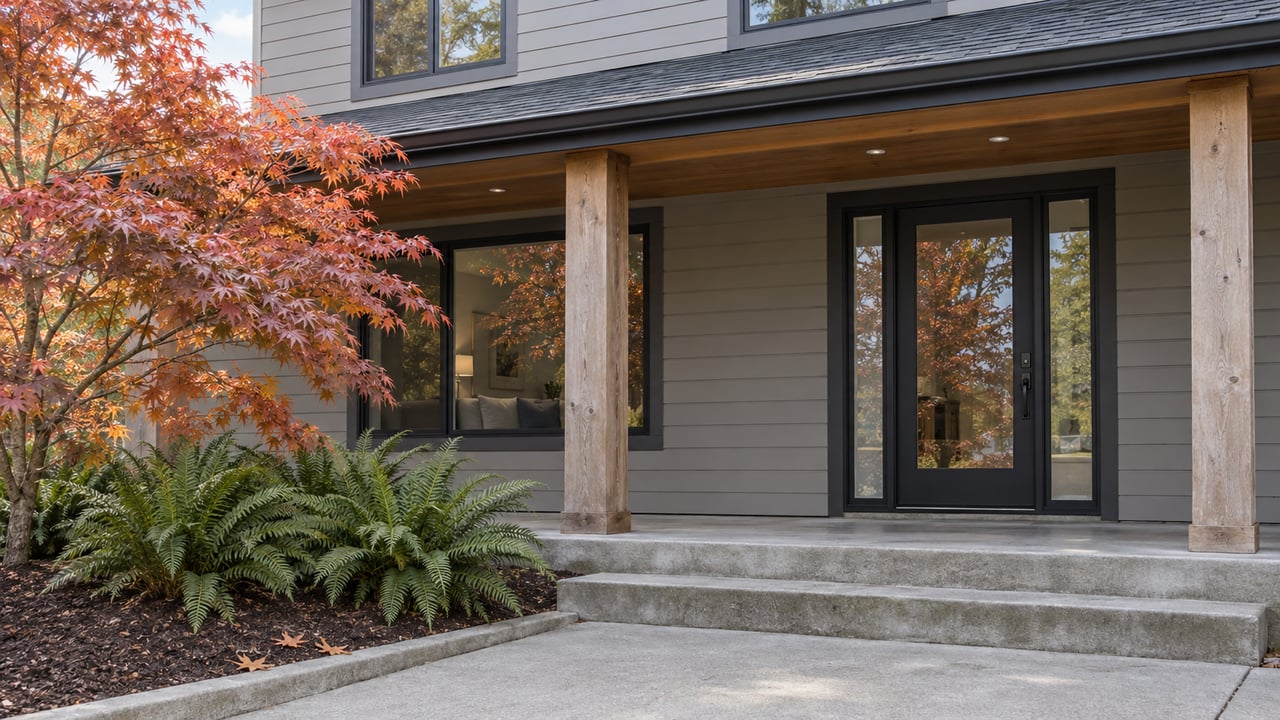
The Eastside leans suburban. Bellevue, Kirkland, Redmond, and Bothell feature quieter streets, more single-family homes, larger lots, and newer developments. Downtown Bellevue and central Kirkland feel more urban than other Eastside areas, but overall the pace is calmer.
On costs and income, Eastside communities often post higher median household incomes and higher typical home prices than Seattle citywide. Bothell and some outer Eastside areas can be relatively more affordable, though still above many national averages.
Commute and mobility
Daily patterns
Work locations heavily influence the best fit. Employers are split across the lake. Seattle’s South Lake Union and downtown cluster tech, healthcare, and startups. Redmond and Bellevue anchor Microsoft and many Eastside tech and corporate offices. Regional median travel times tend to land in the mid- to high-20s minutes, but crossing the lake during peak hours can stretch that window.
If your work is fixed on one side, living on that side can cut commute risk and stress. Hybrid schedules are common today, which can make a slightly longer commute more manageable.
Bridges and chokepoints
Two floating bridges connect the region: SR 520 and I-90. SR 520 uses variable tolling, and both corridors can back up during rush hour. I-405 is the main north-south spine on the Eastside and is a frequent congestion point. A practical rule of thumb is simple. If you must cross the lake daily, build time buffers and expect variability.
Transit and micromobility
Seattle’s neighborhoods typically have denser transit coverage and higher walkability. The Eastside has added rail and express bus options in recent years, especially for Bellevue and Redmond corridors, while many areas still rely on buses and employer shuttles. Bike lanes and trail networks are growing regionwide. If you prefer to go car-light, Seattle offers broader day-to-day support. If you rely on driving, many Eastside neighborhoods feel straightforward and accessible.
Housing types and price patterns
What you’ll find in Seattle
Seattle offers a broad mix. Downtown, Belltown, and South Lake Union feature high-rise condos and apartments with short walks to offices and entertainment. Capitol Hill and Ballard mix mid-rise buildings with rowhomes and single-family streets. Queen Anne, Phinney Ridge, and West Seattle offer many classic single-family homes on smaller lots. Vertical living and compact footprints are common near the center.
What you’ll find on the Eastside
The Eastside emphasizes single-family homes, townhomes, and newer planned communities. Downtown Bellevue has grown into a true high-rise district with luxury condos and shopping. Kirkland’s waterfront core blends townhomes, mid-rises, and walkable dining. Redmond combines tech campuses with parks and suburban neighborhoods. Bothell and Totem Lake showcase significant new construction and redevelopment, drawing buyers who want newer homes and a bit more space.
Prices and ongoing costs
As a broad pattern, Bellevue’s single-family neighborhoods and luxury condos often price well into seven figures. Kirkland’s waterfront and central areas command premiums and typically sit above Seattle’s citywide average for single-family homes. Seattle’s median prices are high for a national market, yet often below Bellevue’s. Bothell tends to be more affordable than Bellevue and some Seattle neighborhoods while still competitive for the region.
For monthly planning, consider more than the mortgage. Property taxes are assessed locally, and while tax rates may be similar across cities, higher assessed values can mean higher dollar amounts. Washington has no state income tax, which benefits some buyers. Account for HOA dues where relevant and, if you’ll cross SR 520 frequently, budget for tolls and Seattle parking if applicable.
Culture, schools, and daily life
Nightlife and dining
If you want an active late-night scene, Seattle stands out. You’ll find music venues, theaters, and a wide range of restaurants across Capitol Hill, Belltown, Fremont, Ballard, and beyond. The Eastside’s downtowns have stepped up with high-end shopping, polished dining, and lively waterfront spots, especially in Bellevue and Kirkland, though evenings are generally quieter and more family-oriented.
Schools and family amenities
Public school performance varies by neighborhood across the region. Eastside districts such as Bellevue School District and Lake Washington School District (serving Kirkland and Redmond) frequently rank highly on statewide measures and are a major draw for many families. Seattle Public Schools include high-performing neighborhood and option schools, with more variation across the district. Wherever you look, verify district boundaries and current performance data for your specific address. Both sides offer strong park systems, libraries, and community centers, though the Eastside puts a notable emphasis on family-friendly facilities and programming.
Healthcare and services
You’ll have access to major medical centers on both sides of the lake. Seattle hosts multiple hospitals and specialty clinics. The Eastside features Overlake Medical Center and other regional providers. Routine care and specialty services are accessible whether you choose the city or suburbs.
Outdoor access and weekend fun
Water and waterfront
If you love the saltwater side of the Pacific Northwest, Seattle gives you immediate access to Puget Sound beaches, ferry trips, and marinas for paddling and boating. On the Eastside, Lake Washington and Lake Sammamish shape daily life with swim beaches, waterfront parks, and boat launches. Parking and vehicle access to lakes are often easier on the Eastside.
Trails, hiking, and snow
Seattle’s urban parks like Discovery Park and Green Lake are great for quick outings. Ferries make day trips to the Olympics straightforward. If you want trailheads close to home and faster drives to the Cascades and Snoqualmie Pass, Eastside communities near the Issaquah Alps and Cougar Mountain are hard to beat.
Neighborhood snapshots
Seattle examples
- Capitol Hill: Dense, lively, and highly walkable with a strong nightlife and arts presence.
- Ballard: Neighborhood feel with breweries, maritime roots, and a mix of single-family homes and condos.
- Queen Anne and Phinney Ridge: Classic homes, scenic viewpoints, and quick access to downtown.
- South Lake Union: Newer apartments and condos near major tech employers.
- West Seattle: Residential vibe, beaches at Alki, and a self-contained feel.
Eastside examples
- Downtown Bellevue: Urban core, luxury condos, and destination shopping and dining.
- West Bellevue: Established single-family neighborhoods, some with notable waterfront.
- Kirkland (downtown): Walkable waterfront living with boutique shops and townhomes.
- Redmond: Parks, trail networks, and proximity to tech campuses.
- Bothell/Totem Lake: Newer subdivisions, townhomes, and revitalized commercial hubs.
A simple decision framework
Use these questions to clarify your best fit:
- Daily destination. Where will you or your family go most days for work or school? Living on the same side of the lake usually reduces commute stress.
- Housing form. Do you prefer a condo, townhouse, or single-family home with a yard? Seattle offers more vertical options; the Eastside offers more space and newer builds.
- Mobility. Will you rely on transit, walking, and biking, or mostly drive? Seattle supports car-light living more consistently.
- Lifestyle. Do you prioritize nightlife and cultural access, or quieter streets and suburban parks? Seattle leans vibrant and late-night; the Eastside leans calm and family-focused.
- Budget. What price range and lot size do you need? Eastside single-family homes in premier neighborhoods often carry higher price tags.
Try-before-you-buy checklist
Before you commit, test your day-to-day:
- Do a trial commute during your usual rush hour on SR 520 or I-90 if you’ll cross the lake.
- Park and walk your target neighborhood at night and on weekends to feel the vibe.
- Map your routines. Time the drive to schools, daycare, grocery, and parks from a couple of candidate homes.
- Compare housing options side by side. Tour a downtown Bellevue condo, a Kirkland townhome, and a Seattle single-family to calibrate tradeoffs.
- Budget with buffers. Include potential tolls, parking, HOA dues, and maintenance in your monthly plan.
Bottom line
You can live well on either side of Lake Washington. If you want walkable nightlife, arts, and a car-light routine, Seattle likely fits. If you want a newer home, more space, and easier access to trailheads and lakes, the Eastside may be your match. The best choice starts with your daily rhythm and ends with a home that supports it.
When you’re ready to compare neighborhoods and properties, reach out for local, no-pressure guidance. I’ll help you weigh commute realities, housing options, and resale potential so you can move with confidence. Connect with Sam Burke to get started.
FAQs
How do Seattle vs. Eastside commute times compare?
- Regional median travel times often fall in the mid- to high-20s minutes, but crossing SR 520 or I-90 during rush hour can add time. Living on the same side as your daily destination usually reduces uncertainty.
Is transit viable from the Eastside to Seattle and back?
- Yes for major Bellevue and Redmond corridors that connect to light rail and express buses, while some Eastside areas rely more on buses and employer shuttles; Seattle neighborhoods tend to have denser coverage overall.
Are Eastside homes more expensive than Seattle homes?
- Many Eastside single-family neighborhoods, especially in Bellevue and parts of Kirkland, often price above Seattle’s citywide median, while Bothell can be relatively more affordable within the region.
How do public schools compare across Seattle and the Eastside?
- Eastside districts such as Bellevue and Lake Washington frequently rank highly on statewide measures; Seattle Public Schools include strong options as well with more variation; always verify boundaries and current data for your specific address.
Which side offers better outdoor access?
- Both shine, but in different ways; Seattle offers Puget Sound beaches and ferry-access adventures, while the Eastside offers lake recreation and shorter drives to Issaquah Alps trails and Snoqualmie Pass.
What housing types are most common on each side?
- Seattle features more high- and mid-rise condos plus smaller-lot single-family and rowhouses near the core; the Eastside leans toward single-family homes, townhomes, and newer planned communities with growing high-rise options in downtown Bellevue.