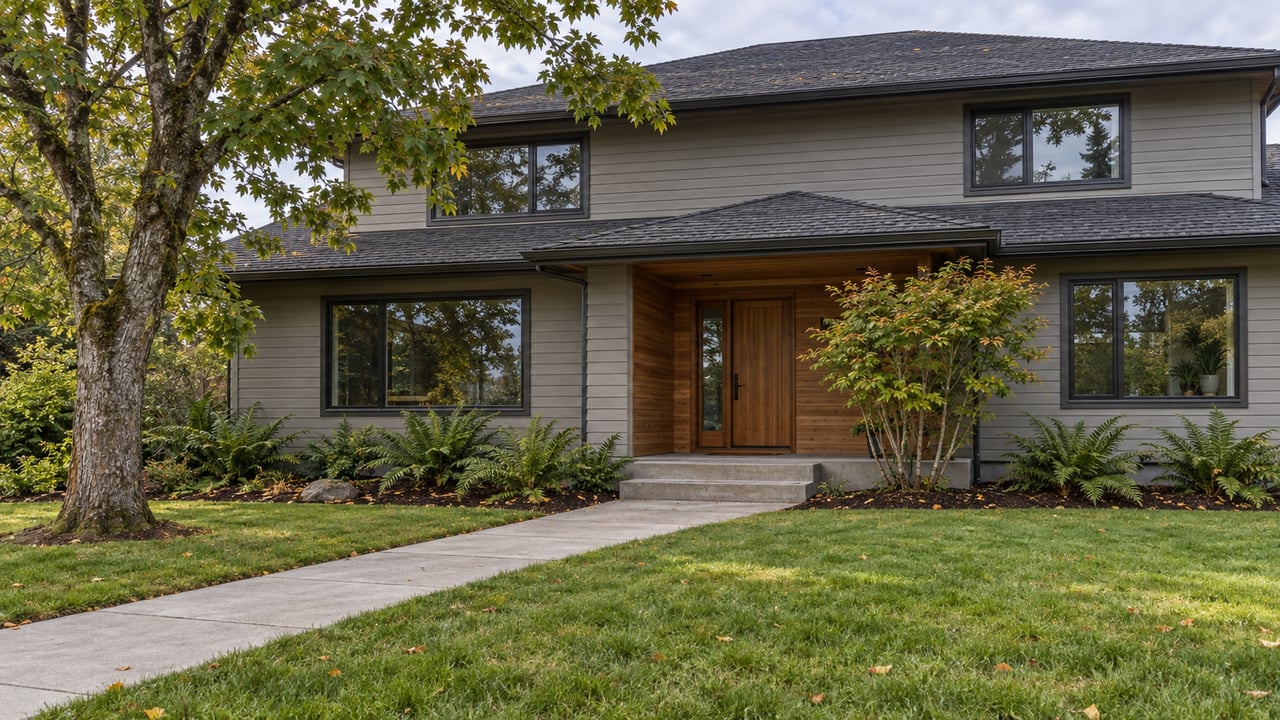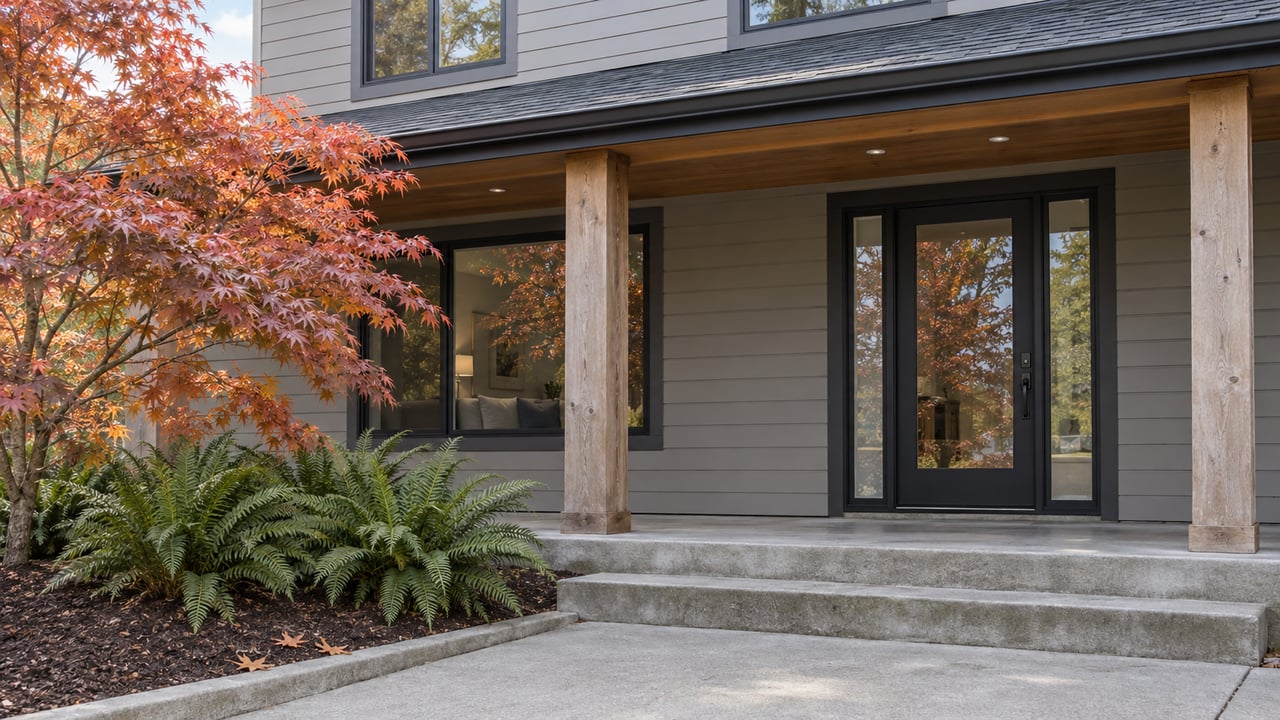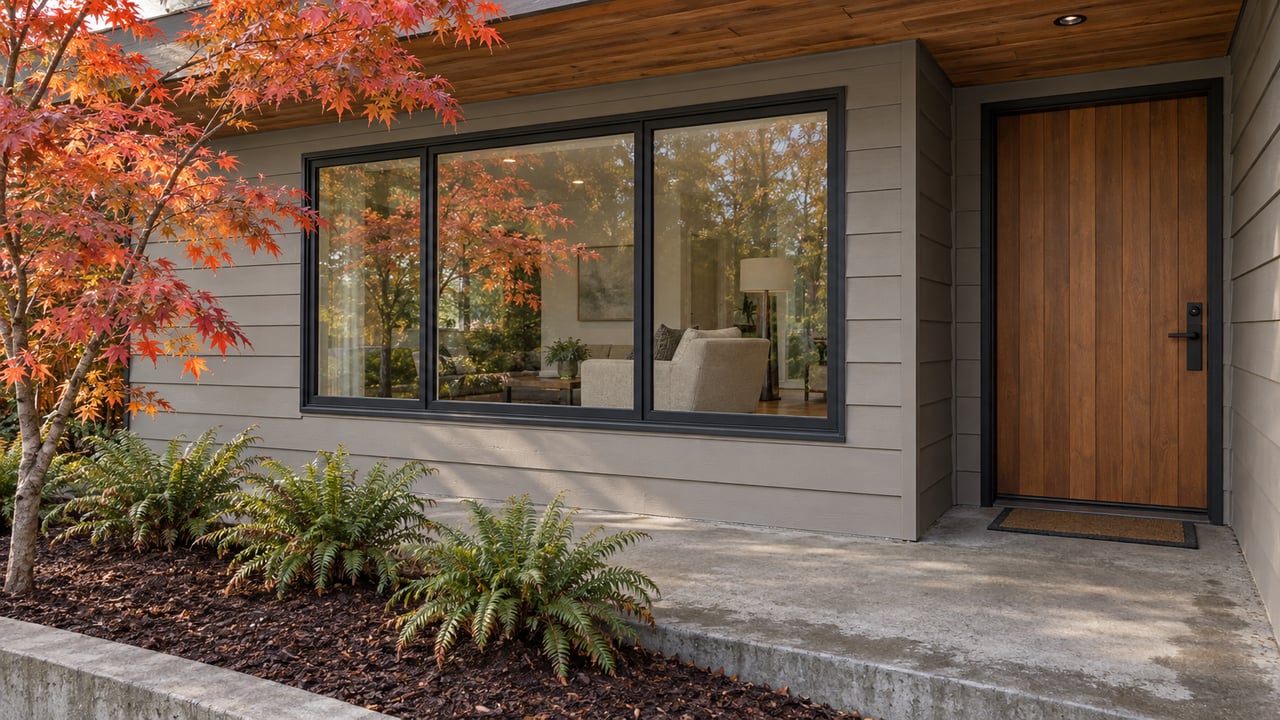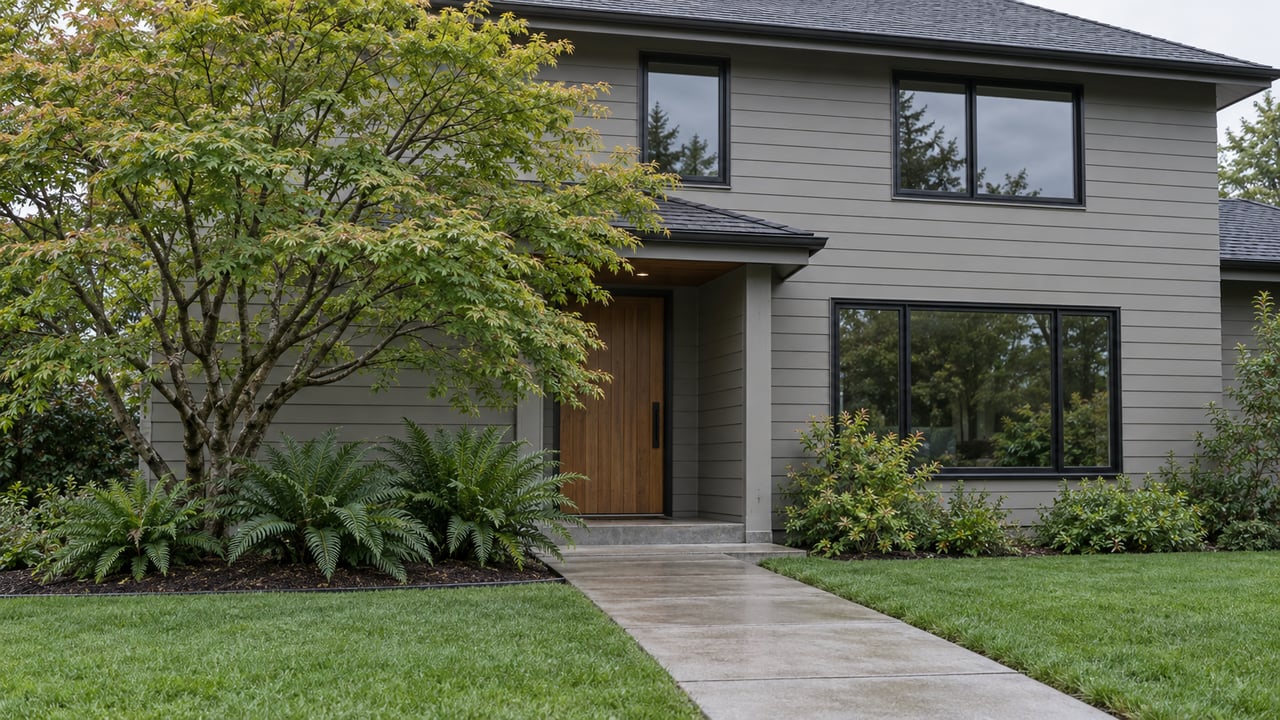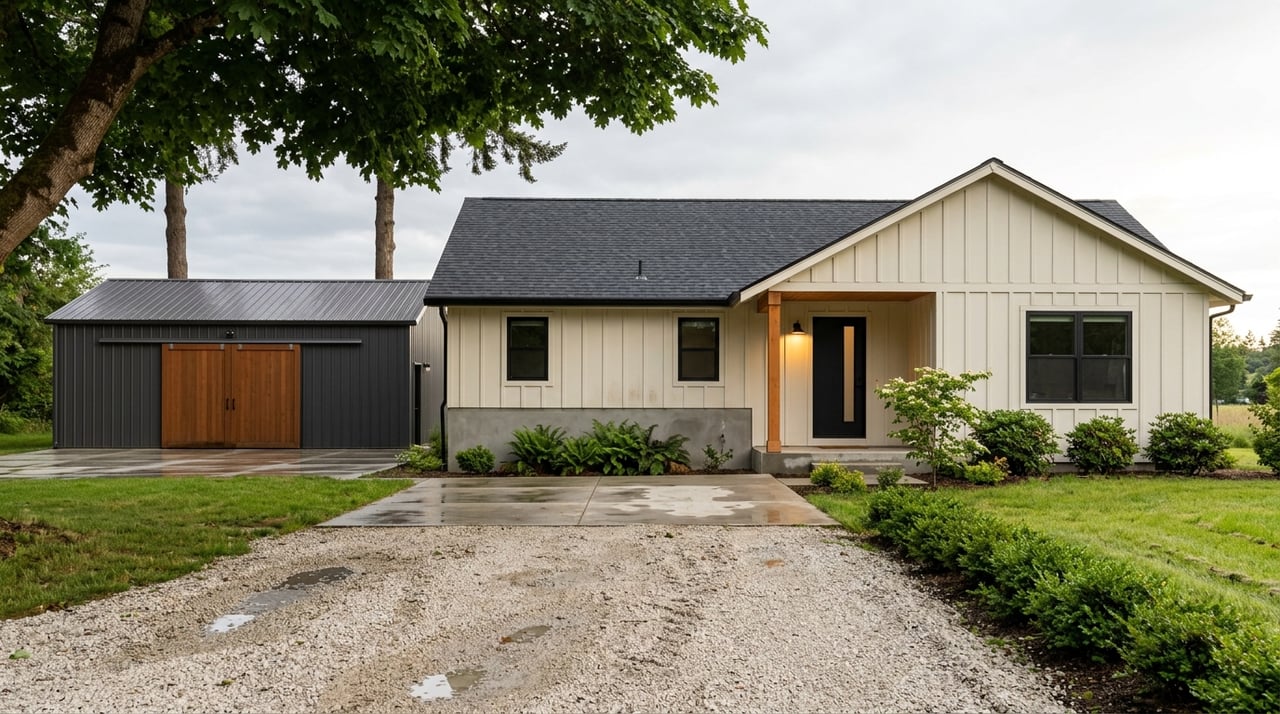
If you want room to breathe in Woodinville, acreage and equestrian properties can be appealing, but they also come with more moving parts than a typical suburban home. You may be thinking about barns, pasture, a shop, privacy, or future flexibility, while also trying to avoid costly surprises tied to zoning, utilities, or permits. The good news is that with the right questions upfront, you can narrow in on properties that truly fit your goals. Let’s dive in.
Why Woodinville acreage stands out
Woodinville has a real mix of residential settings, and that is part of what makes acreage homes here distinctive. According to the City of Woodinville Comprehensive Plan, Woodland Residential areas are implemented by R-1 zoning, which allows up to one dwelling unit per acre, while Low Density Residential areas are implemented by R-4 zoning, which allows four units per acre.
That lower-density pattern shows up in the broader landscape. The Woodinville Water District notes that much of its residential service area is rural, with many lots in the 1- to 5-acre range. For you as a buyer, that means properties may offer more land, more outbuildings, and more site-specific conditions than a standard in-city lot.
Some homes also support full equestrian setups rather than just a barn and a fenced area. A current Woodinville equestrian listing includes 9.33 acres, two barns, up to 49 stalls, indoor and outdoor arenas, 15 turnout areas, and nearby riding trail connections. Even if that is above your target, it gives you a useful picture of the infrastructure that can exist in this market.
Verify jurisdiction first
One of the most important steps is confirming whether a property is actually inside Woodinville city limits. The city’s FAQ page explains that some Woodinville mailing addresses are in unincorporated King County or Snohomish County, so a Woodinville address does not automatically mean city rules apply.
That matters because jurisdiction can shape what you can do with the land. Rules around horses, outbuildings, lot use, tree removal, and development review may differ depending on whether the parcel falls under city or county authority. Before you rely on a listing description, it is smart to verify who governs the property.
Check zoning before plans get too far
If you are considering acreage for a hobby farm setup, horse use, extra garage space, or long-term flexibility, zoning should be one of your first checkpoints. In city limits, the official Woodinville zoning framework distinguishes between lower-density and higher-density residential designations, and that can affect how a parcel is used.
It is also worth checking the city’s Maps and GIS tools early in your search. The city includes critical-areas and wetlands maps, but labels them as approximate and unofficial. That makes them helpful screening tools, not a final answer.
For wooded properties, tree rules can also affect your plans. The city states that tree-density standards require 70 credits per acre in R-1 and 50 credits per acre in R-4 through R-8, which can influence clearing decisions for pasture, sunlight, or future improvements.
Tree removal can affect acreage use
On a larger parcel, buyers often picture clearing brush, expanding usable yard space, or opening an area for a barn or shop. In Woodinville city limits, that is not something to assume you can do freely. The city’s FAQ says a tree removal permit is required to remove any tree on private or public property.
That is an important detail if a property’s value to you depends on changing the layout of the site. A parcel may look large on paper, but how much of it is practical and how much can be altered are two different questions. This is one of the reasons acreage buying is often more about the details than the raw lot size.
Utilities are often property-specific
With acreage homes, water and sewer are rarely simple assumptions. The Woodinville Water District says new water or sewer service requires an existing main to cross the full length of the property, and the home must meet maximum distance limits from the meter or cleanout. In practical terms, that means public utility access can vary a lot from parcel to parcel.
The city also notes in its FAQ that water and sewer service are handled by Woodinville Water District, while septic approval is handled by Public Health - Seattle & King County. So when you tour a property, it helps to ask very clearly whether the home uses public water, a private well, public sewer, septic, or some combination.
What to know about private wells
If a home has a private well, the owner is responsible for testing the water. The Washington State Department of Health recommends annual testing for coliform bacteria and nitrate, plus arsenic testing at least twice during ownership.
The same state guidance also notes that in most counties, a home sale involving a private well may require seller-provided water-sampling results. In addition, the Department of Ecology notes that permit-exempt wells are still subject to state water law. For you, that means well quality, records, and compliance should all be part of your due diligence.
What to know about septic systems
Septic maintenance matters just as much as water quality on acreage properties. According to King County, conventional gravity septic systems should be inspected every three years, while pressure distribution, mound, and sand filter systems should be inspected every year, and ATUs or drip systems every six months.
King County also states that septic systems on a sale or transfer generally must be inspected before title transfer. If you are buying a Woodinville property with septic, ask what type of system it is, when it was last inspected, and whether records are available.
Outbuildings deserve extra scrutiny
Acreage buyers are often drawn to the extras: barns, detached garages, shops, sheds, covered parking, and fencing improvements. Those features can add real value, but only if they were properly permitted and built in compliance with local rules.
Woodinville’s FAQ says permits are required for garage or carport work and for storage sheds or playhouses over 200 square feet. The city also warns that unpermitted work can be required to be torn out or redone. That makes permit records a key part of your review, especially when a property is being marketed for its usable infrastructure.
What prices can look like
Acreage and equestrian pricing in Woodinville covers a wide range, and land value is not driven by size alone. The research snapshot shows land-only examples from current Woodinville land listings ranging from 2.73 acres at $299,900 to 5.02 acres at $599,000, while other near-acre lots are priced around $2.1 million to $2.4 million. That spread suggests utility access, buildability, location, and site constraints can matter as much as acreage.
Improved acreage homes generally sit higher. Current examples tied to the same market snapshot include homes on 0.98 to 1.46 acres listed from about $2.25 million to $3.32 million, while the previously mentioned turnkey equestrian facility is listed at $4.9 million. These examples are directional, not a pricing formula, but they help show how quickly value can rise when a property includes permitted improvements and specialized horse infrastructure.
A smart pre-tour checklist
Before you fall in love with a property, it helps to screen it like a practical buyer. Acreage purchases often reward careful questions early.
Here are some of the most important items to confirm:
- Whether the parcel is inside the City of Woodinville or under county jurisdiction
- The current zoning designation and whether any critical-area or wetland issues may affect use
- Whether water service is public, private well, or both
- Whether sewer is public or the home uses septic
- The septic system type and latest inspection date
- Available records for well testing, if a private well is present
- Permit history for barns, shops, sheds, garages, driveways, and parking improvements
- Whether there are trail easements, shared driveways, or other site-specific restrictions
That checklist follows directly from the city, county, state, and utility guidance referenced above. It can save you time, help you compare properties more clearly, and reduce the risk of surprises after you go under contract.
How to shop acreage with confidence
Buying acreage in Woodinville is usually less about finding the biggest lot and more about finding the right combination of land, usability, infrastructure, and records. A property that looks perfect online may have limitations tied to zoning, trees, wetlands, utilities, or permits. On the other hand, a well-documented property with solid systems and legal improvements can offer real long-term value.
If you are considering a Woodinville acreage or equestrian property, it helps to have someone in your corner who can move quickly, ask the right questions, and help you evaluate what is really there beyond the photos. When you are ready to talk through your search, connect with Sam Burke for practical, local guidance.
FAQs
What makes Woodinville acreage properties different from other homes?
- Woodinville acreage properties often involve larger lots, rural-style utility setups, tree and site constraints, and added improvements like barns, shops, or arenas that need closer review.
Why should you verify jurisdiction on a Woodinville property?
- A Woodinville mailing address may fall inside city limits or in unincorporated county areas, and that can affect rules for land use, tree removal, outbuildings, and other property decisions.
What zoning should you check on a Woodinville acreage parcel?
- You should confirm the parcel’s official zoning designation, such as R-1 or R-4 within city limits, before relying on a listing or making plans for horses, structures, or future use.
What should you ask about wells on a Woodinville acreage property?
- Ask for recent water test results, learn whether the home uses a private well, and review any available records because testing and ongoing monitoring are the owner’s responsibility.
What should you ask about septic on a Woodinville acreage property?
- Ask what type of septic system exists, when it was last inspected, and whether inspection and maintenance records are available before moving forward.
Why do permits matter for Woodinville barns and shops?
- Permit history matters because unpermitted work may create added cost, delays, or required corrections, especially on properties where outbuildings are a major part of the value.
Are Woodinville equestrian properties usually more expensive?
- In many cases, yes, especially when a property includes specialized horse infrastructure such as stalls, arenas, turnout areas, and legal, usable improvements.