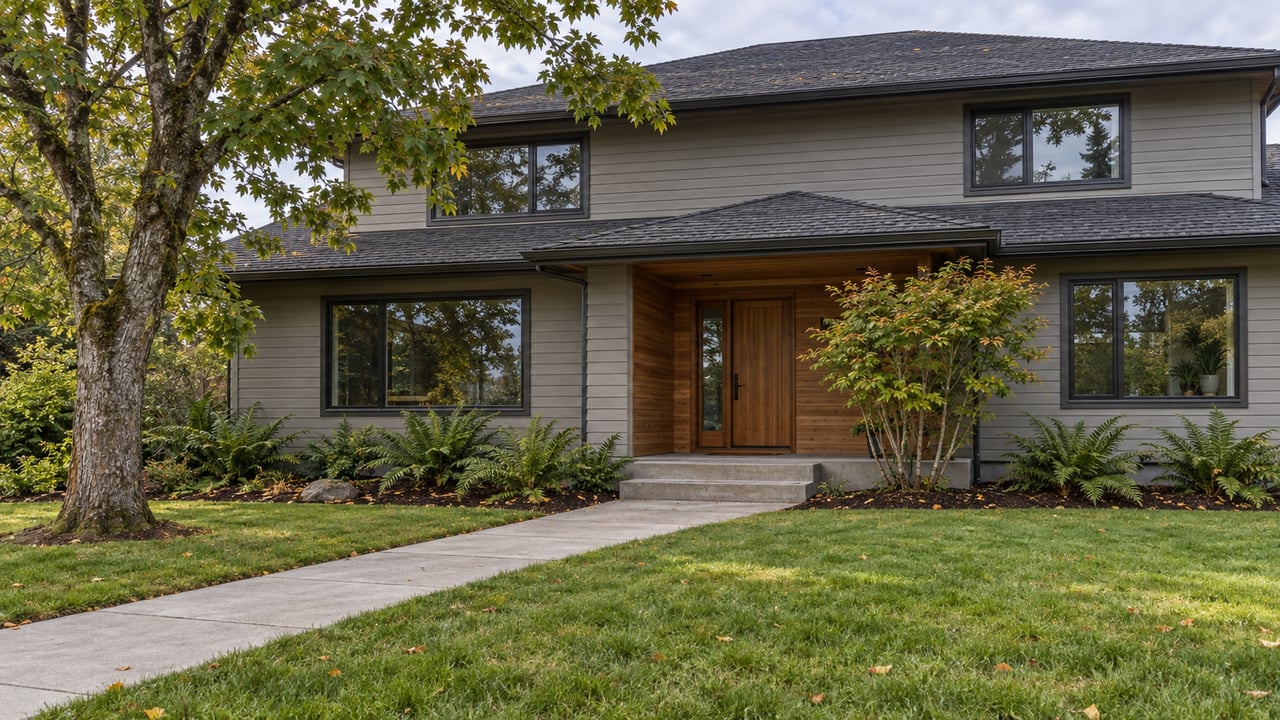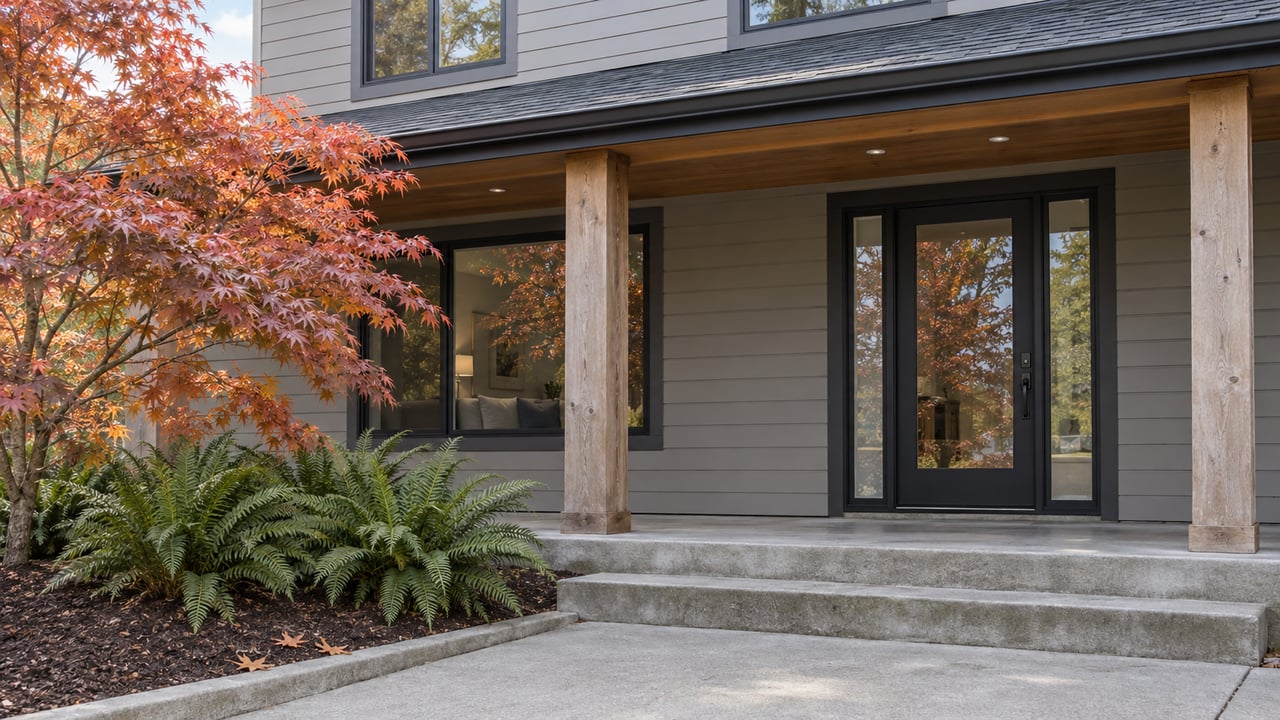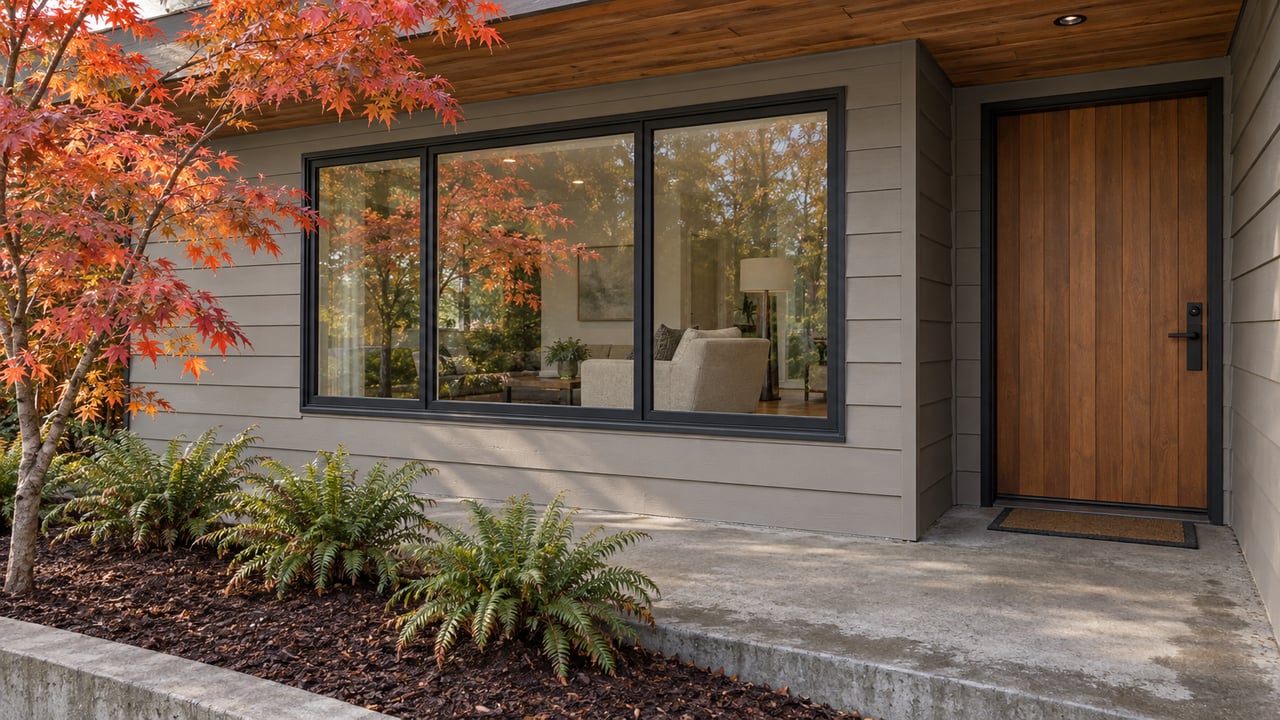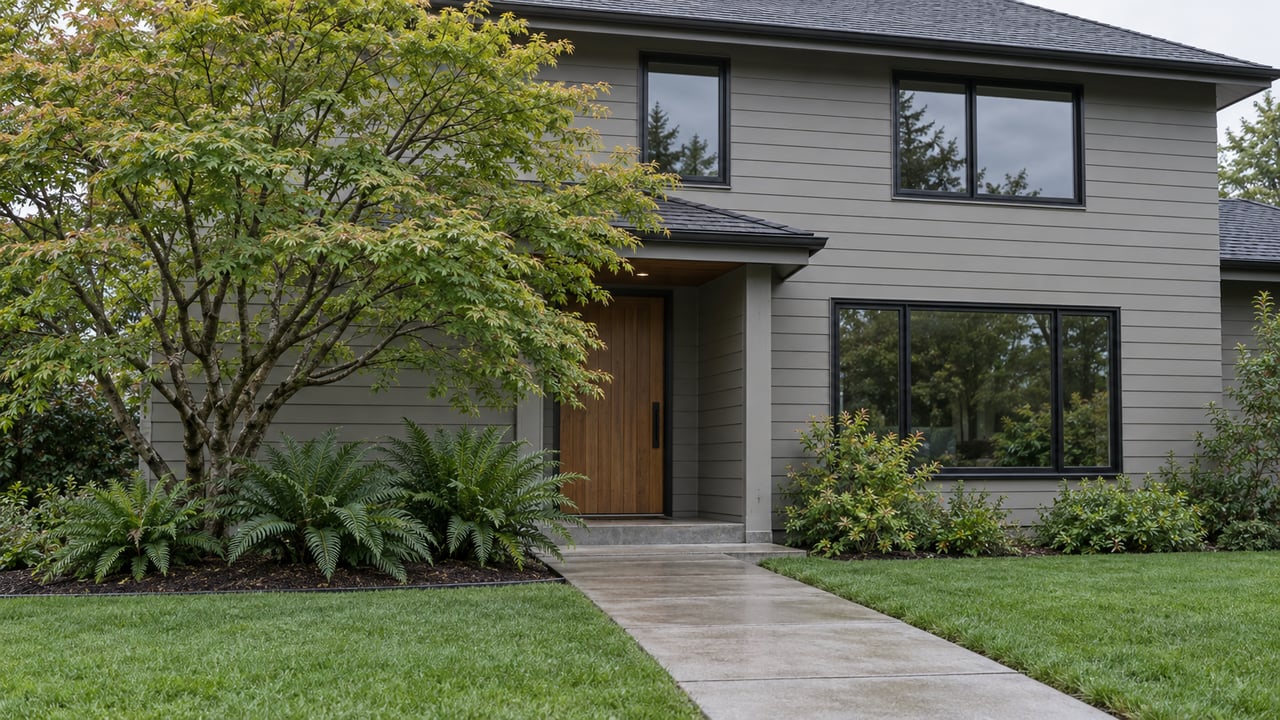
Thinking about selling your Snohomish County home and not sure when to list? You are not alone. Timing can shape your sale price, days on market, and how smooth your move feels. In this guide, you will learn how seasonality works here, how to match your goals to the calendar, and how to plan a realistic prep timeline so you hit the market at the right moment. Let’s dive in.
Snohomish seasonality at a glance
Spring is typically the strongest season for sellers in the greater Seattle–Bellevue–Everett area, including Snohomish County. From roughly April to June, buyer activity and new listings both rise. Homes often sell faster and with better price leverage when curb appeal is high and more buyers are out looking.
Summer stays active, though it can cool a bit from the spring peak as vacations shift some buyer focus. Early fall brings steady but more selective demand. Late fall and winter are usually the slowest months, with fewer new listings and showings. Buyers who remain are often very motivated, but weather and holidays limit foot traffic.
Several factors can shift these patterns each year. Interest rates, inventory, local jobs, and the timing of new construction can amplify or soften the spring advantage. Watching local data from sources like NWMLS monthly statistics helps you adjust to current conditions.
Choose timing based on your goal
Highest price
- Best window: spring (April to June), with a secondary window in early September.
- Why it works: More buyers, stronger curb appeal, and a higher chance of multiple offers.
- Caveat: If rates are high or inventory grows, the price lift may be more modest.
Fastest sale
- Best window: Spring is first choice, early summer is second.
- Strategy: Pair an aggressive, data-backed price with strong staging, marketing, and a polished launch week.
Convenience and move timing
- Best window: List 6 to 10 weeks before your ideal closing date.
- Tip: If you want to move after school lets out, aim to list in spring to close in late June or July.
Privacy or fewer showings
- Best window: Late fall and winter.
- Tradeoff: Expect fewer buyers and plan for a sharper price or flexible terms if speed is important.
Luxury or unique homes
- Best window: Late spring through summer.
- Reason: Longer decision timelines and better conditions for photography and outdoor features.
Neighborhood and property nuances
Snohomish County is a collection of micro-markets. The right week for one property may not be ideal for another.
- City of Snohomish: Historic homes and walkable streets shine with great staging and curb appeal. Spring photos help highlight charm and landscaping.
- Everett and South County: Proximity to major employers and transit often drives steady demand. Entry-level and commuter-friendly homes can move quickly.
- Northern County areas like Marysville, Arlington, and Granite Falls: Buyers can be more price sensitive. Easy access to I‑5 and Highway 2 matters.
- Rural, acreage, and waterfront: Expect longer timelines and more specialized marketing. Seasonality is often muted, but late spring and summer help show land and views.
Local employment shifts influence demand. Regional job trends reported by the Washington Employment Security Department can affect buyer confidence, especially for commuting and relocation.
Build your pre-listing timeline
Work backward from your target “go live” week. Add buffers for weather, contractors, and permits.
- 12+ weeks out: Major repairs or system updates if needed. Plan for permits and contractor lead times.
- 6 to 8 weeks out: Cosmetic refreshes like paint or flooring, light kitchen or bath updates, and a staging plan.
- 3 to 4 weeks out: Deep clean, declutter, optional pre-inspection, landscaping, and curb appeal touch-ups.
- 1 to 2 weeks out: Professional photos, floor plan, 3D tour if helpful, and final marketing materials.
- Listing week: Launch with a clear open house plan, gather feedback, and watch early signals closely.
Consider a pre-listing inspection to surface issues early and reduce renegotiation risk. Use recent neighborhood comps from the last 30 to 90 days and confirm list-to-sale price trends before you set price and terms. Public records like Snohomish County property records can help verify details and disclosures.
Watch these local indicators
A few simple metrics can help you zero in on your best listing week.
- New listings: Rising counts signal more competition. Listing just before the surge can help.
- Pending-to-listing ratio: Higher ratios suggest strong demand and faster sales.
- Median days on market: Shorter DOM points to a speed-friendly window.
- List-to-sale price ratio: Shows how close sellers are getting to their asking price.
- Months of inventory: Under 3 months typically favors sellers. Over 6 favors buyers.
- Price reductions: A rising share of cuts can indicate softening demand.
Check local snapshots from the NWMLS. For broader context on population and household trends, review U.S. Census QuickFacts. Local news outlets, such as the Everett Herald, often report on employer expansions or slowdowns that can quickly influence demand.
Strategies by property type
- Entry-level homes: Spring demand is often strongest. Clean presentation and sharp pricing can drive competitive offers.
- Move-up homes: Benefit from spring traffic, but many buyers need to sell first. Plan your sale and next purchase timeline together.
- Luxury and unique homes: Allow a longer marketing window and prioritize top-tier photography and outdoor presentation.
- Condos and townhomes: HOA rules can affect showings. Price sensitivity may be higher, so track nearby inventory and incentives.
- Rural, acreage, and waterfront: Expect extended timelines. Targeted marketing and clear land details help buyers commit.
Pick your exact listing week
Use these steps to dial in timing within your preferred season.
- Pull a 60 to 90 day neighborhood comp report and confirm the most recent list-to-sale ratios.
- Ask your agent to track weekly new listings and pending ratios two to three weeks before launch.
- If months of inventory in your micro-market is under 3 and pending activity is rising, you are likely in a seller-friendly window.
- Schedule photos when weather and daylight favor curb appeal. In our climate, late winter prep sets you up for the first good spring photo window.
- Work backward 6 to 10 weeks from your desired closing date to plan repairs, staging, and marketing.
Common obstacles and how to plan
- Weather and curb appeal: Winter rains can slow exterior work and photo plans. Build in a buffer and be ready to pivot to the first dry week.
- Competing new construction: Builders may offer incentives in off-peak months. Be prepared to adjust terms or price to stay competitive.
- Rate-driven affordability: If interest rates rise, the buyer pool can tighten. Consider pricing with less cushion and offer flexible terms where sensible.
Your next step
Seasonality is a powerful guide, but your exact timing should reflect current local data and your goals. If you want a custom plan for your home, from prep to pricing to launch week, reach out. Request a free home valuation or contact Sam Burke today for local, hands-on guidance backed by full brokerage marketing.
FAQs
What is the best month to sell a home in Snohomish County?
- Spring months, especially April through June, tend to bring the most buyers and stronger pricing, though current inventory and rates can shift the exact best month.
How far in advance should I start preparing my Snohomish home to sell?
- Begin 6 to 12 weeks before listing for typical prep, and allow longer if you have major repairs or permits.
Do homes sell in winter in Snohomish County?
- Yes, but activity is slower. The buyers who remain are often motivated, so a sharp price and good presentation still matter.
How do local jobs impact the timing of my sale?
- Employment shifts in the Seattle–Bellevue–Everett region affect buyer confidence; check updates from the Washington Employment Security Department when picking your launch window.
Where can I find reliable Snohomish County housing stats?
- The NWMLS provides local market snapshots, and public data sources like U.S. Census QuickFacts offer helpful context.