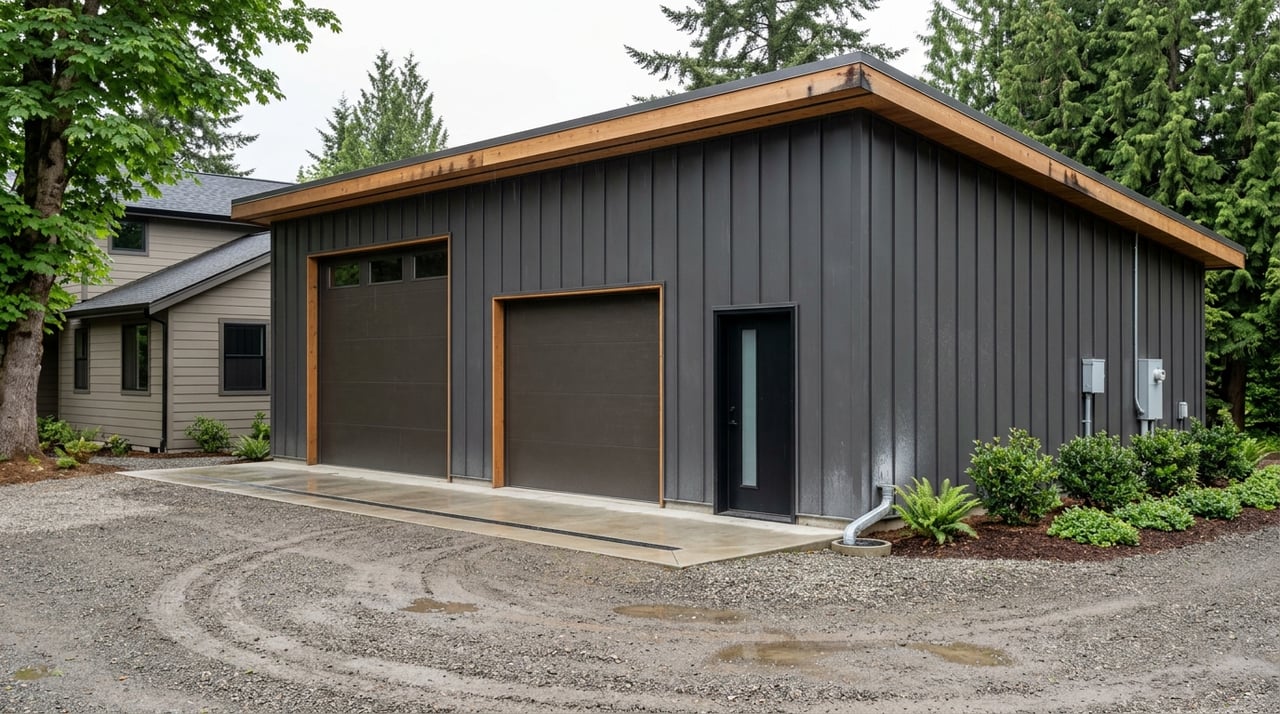
If you are shopping for acreage or a home with a large detached shop in Snohomish, you already know these properties can be exciting and complex at the same time. What looks like extra space on paper can come with questions about access, permits, water, septic, floodplain rules, and how an outbuilding can actually be used. The good news is that with the right checks upfront, you can move forward with a lot more clarity and confidence. Let’s dive in.
Why Snohomish acreage homes are different
Acreage properties and shop homes in Snohomish are not simply bigger versions of a typical suburban home. In many cases, the property’s buildability and the use of a detached shop or garage depend on legal lot status, legal access, water availability, septic approval, and site constraints.
A big first step is confirming the property’s jurisdiction. Some homes are inside Snohomish city limits, while others are in unincorporated Snohomish County, and that matters because county PDS records and assistance bulletins apply only to unincorporated areas.
Snohomish County’s SCOPI map tool can also help you review key parcel details early. It shows parcel ID, gross acres, legal descriptions, sales history, structure data, and can flag parcels that are not recognized as legal tax parcels or that involve shared-interest ownership.
Start with jurisdiction and parcel records
Before you fall in love with the shop, the view, or the extra land, make sure you know what you are actually buying. Parcel records can reveal details that affect financing, future improvements, and resale.
For Snohomish-area acreage, it helps to confirm:
- Whether the property is inside city limits or in unincorporated county
- The parcel ID and legal description
- Gross acreage and structure details
- Sales and tax history
- Whether the parcel has any legal tax parcel or shared-interest flags
This step may sound basic, but it can save you time and money. A property that looks straightforward online may have a more complicated record once you dig into the county tools.
Check legal lot status before you offer
Legal lot status is one of the most important items to verify on acreage. Snohomish County advises prospective owners to determine lot status before submitting a development application because a missing legal-lot determination can delay or even block the permit process.
That matters if you plan to build, expand, add plumbing to a structure, or make significant improvements. Even if the home already exists, you do not want to assume future flexibility without confirming how the lot is recognized.
Confirm legal access early
Access is another major issue on rural and semi-rural properties. If a property needs a new connection from a county road, Snohomish County requires legal access.
Private road access may require an easement document and a site-plan depiction. Public road access may require an access permit and a site-development plan, so this is not something you want to discover late in the transaction.
Understand water and septic requirements
Water and septic are often central to whether an acreage property works for your plans. In Snohomish County, proof of adequate water supply is required for new homes and other structures that need potable water.
Accepted proof may include a water purveyor commitment, water-right documentation, an adjudicated right, an approved alternative source, or a declaration of intent to use a permit-exempt well. For many rural properties, an approved well and an on-site septic system approved by the Health Department are required to build a residence or a building with plumbing.
If the property uses a private well, testing matters too. Washington Department of Health guidance recommends annual testing for coliform bacteria and nitrate, and buyers or sellers of homes with private wells may be asked to provide water-sampling results.
Why septic records matter
Septic records can answer a lot of questions before they become problems. Snohomish County Health Department stores on-site sewage system records and service history in OnlineRME, including as-builts, historical files, and service reports.
For you as a buyer, that means it is often possible to review permit history, servicing information, and system details before closing. That kind of paperwork can be especially helpful when you are evaluating an older home, a large shop, or future expansion ideas.
Watch for floodplain and critical-area issues
Not every acre is equally usable. Snohomish County regulates special flood hazard areas and also applies critical-area rules to wetlands, fish and wildlife habitat conservation areas, critical aquifer recharge areas, geologically hazardous areas, and frequently flooded areas.
For residential projects, development near these areas may require them to be identified on the site plan. Depending on the property, reports such as wetland delineations, geotechnical studies, hydrogeologic reports, or habitat management plans may also be required.
This is one reason two similarly sized acreage properties can have very different development potential. A parcel may look spacious from the road, but setbacks, buffers, slopes, or flood-related limits can change what is practical.
Know how resource lands can affect ownership
Some Snohomish properties are in or near designated agricultural or forest resource lands. The county notes that owners and purchasers of land in or near these areas must complete real estate transfer documents, and Washington law requires disclosure that property may be near a farm or working forest.
For buyers, the main takeaway is simple: do not assume every rural setting will function like a suburban neighborhood. Surrounding land may remain active and productive, which can affect your day-to-day experience and your resale expectations.
Shop and outbuilding rules to review
A large detached shop is often the reason buyers target these properties in the first place. But in unincorporated Snohomish County, the size, setbacks, and approval path for garages and storage buildings can vary based on lot size, whether the lot is vacant, and whether the structure is accessory or non-accessory.
Snohomish County permit categories include accessory buildings, shops, garages, workshops, detached garages, storage buildings, sheds, greenhouses, and agricultural buildings. The county’s detached garage and storage bulletin applies only in unincorporated Snohomish County, which is another reason jurisdiction matters.
Size thresholds to keep in mind
According to the county bulletin:
- Garages and storage buildings up to 2,400 square feet are generally permitted with typical zoning setbacks
- On lots smaller than 5 acres, detached accessory and non-accessory garages and storage buildings may not exceed 6,000 cumulative square feet
- On vacant lots, detached non-accessory garages and storage structures of 2,401 square feet or more require conditional use review
- Structures from 2,401 to 4,000 square feet generally require 15-foot side and rear setbacks
- Structures over 4,001 square feet generally require 20-foot side and rear setbacks
The bulletin also notes that structures over 2,400 square feet may require conditional use review depending on the lot and use context. In other words, shop size alone does not tell the whole story.
Using a shop for business activity
If you want a shop for more than storage, be careful not to make assumptions. Snohomish County says that a home occupation inside the residence does not require a Certificate of Occupancy, but the same use in a garage or accessory building does require a Certificate of Occupancy and a Change of Use Application.
That distinction can be important if you plan to use the space for work-related activity. Before you count on a detached shop supporting that use, verify the zoning and approval path.
Site work can trigger drainage review
Many buyers focus on the home and shop, but the land itself deserves just as much attention. Large driveways, shop pads, grading, utility trenches, well installation, septic work, and clearing can trigger land-disturbing activity and drainage review.
In Snohomish County, stormwater requirements depend on how much new or replaced hard surface is involved. A project may require a small-project SWPPP, a targeted stormwater site plan, or a full drainage plan.
If you are buying with plans to improve the site, this is worth reviewing early. The cost and timeline for future work can change quickly once drainage requirements come into play.
A smart due diligence checklist
When you are serious about a Snohomish acreage or shop property, a focused checklist can help you stay organized. These are some of the most important items to review before or during your feasibility period:
- Confirm whether the property is in city limits or unincorporated county
- Review SCOPI parcel details, structure data, and sales history
- Verify legal lot status
- Confirm legal access and any easement needs
- Review water source documentation
- Check septic permits, as-builts, and service history
- Identify floodplain or critical-area overlays
- Review shop or outbuilding permits and approvals
- Ask whether any business-like use of the shop has been approved
- Look into drainage or land-disturbance requirements for future improvements
Washington seller disclosure also advises buyers to hire appropriate experts when needed, including surveyors, engineers, inspectors, plumbers, electricians, and on-site wastewater treatment inspectors. On properties with more moving parts, expert review is often time well spent.
Why documentation matters for resale
When it is time to sell, buyers usually ask for the same records you wish you had on day one. For acreage and shop homes, that often includes permit history, site plans, access permits, flood-hazard permits, septic records, legal descriptions, and well documentation.
A complete property file can make future due diligence smoother because the key questions have already been researched or documented. In practical terms, that can reduce friction when future buyers, lenders, or permit reviewers start asking questions.
How local guidance helps you buy with confidence
The best acreage purchases usually start with clear information, not guesswork. A local broker who understands Snohomish’s city-versus-county differences, parcel tools, permit records, and Health Department resources can help you spot issues earlier and ask better questions before you commit.
That kind of practical guidance matters whether you are buying your first rural property or moving up to a home with more land and a larger shop. With the right due diligence, you can buy with your eyes open and feel better about both your day-to-day use and your long-term resale position.
If you are considering a Snohomish acreage or shop property and want practical, local guidance, reach out to Sam Burke for straightforward help navigating the details.
FAQs
What should you verify before buying Snohomish acreage?
- You should confirm jurisdiction, legal lot status, legal access, water source, septic records, parcel details, and any floodplain or critical-area overlays before moving forward.
How do shop rules work in unincorporated Snohomish County?
- Detached shop and garage rules can depend on square footage, lot size, setbacks, whether the lot is vacant, and whether the building is accessory or non-accessory.
Why does jurisdiction matter for a Snohomish acreage property?
- It matters because county PDS records and assistance bulletins apply only to unincorporated Snohomish County, while properties inside city limits are handled by the city.
What records should you check for a Snohomish property with septic?
- You should review septic permits, as-builts, historical files, and service history available through Snohomish County Health Department records tools.
Can you use a detached shop for a home business in Snohomish County?
- Possibly, but you should verify zoning and approvals first because a home occupation in an accessory building may require a Certificate of Occupancy and a Change of Use Application.
Why are floodplain and critical-area reviews important in Snohomish?
- They are important because overlays involving flood hazards, wetlands, habitat areas, aquifer recharge areas, or geologic hazards can affect where and how development is allowed.