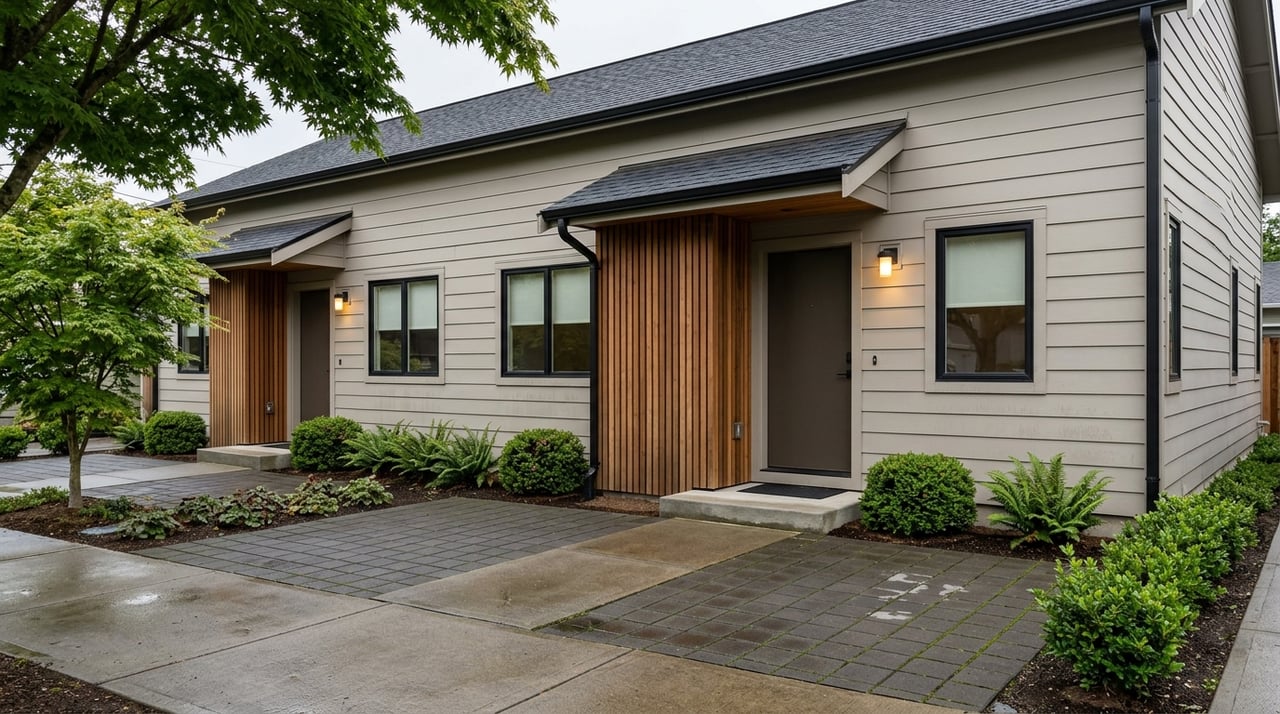
Thinking about buying a duplex, triplex, or fourplex in Bothell? You are not alone. For many buyers, small multi-family investing looks like a practical way to offset a mortgage, build equity, and get started with rental property without jumping straight into a large apartment asset. This guide will walk you through what counts as small multi-family in Bothell, what price and rent expectations look like, how financing may work, and what local due diligence matters most. Let’s dive in.
What small multi-family means in Bothell
In Bothell, the most relevant small multi-family property types are duplexes, triplexes, and fourplexes. The City of Bothell groups these homes under its middle housing framework, which is helpful if you are trying to understand what fits this conversation without getting buried in technical zoning terms.
That local context matters because Bothell has already taken steps to allow more middle housing. According to the City of Bothell middle housing overview, duplexes can be built on all corner lots in residential neighborhoods, and the city links this direction to HB1110, which requires at least duplex capacity in primarily residential zones, with broader allowances in some cases.
The key takeaway is simple: do not assume a property is limited to single-family use just because it sits in a residential area. If you are underwriting a duplex, triplex, fourplex, or future conversion idea, you still need to verify the parcel’s specific zoning, lot type, overlays, and permit path.
Why Bothell draws investor attention
Bothell is a high-cost market, and that can push buyers to think creatively. Public market data shows the broader housing market remains expensive and relatively fast-moving, with Zillow reporting average home values above $1 million and homes often moving in roughly 10 to 20 days.
For small multi-family buyers, there is another factor: supply looks thin. At the time of access, Zillow’s Bothell duplex and triplex search showed only a couple of matches. That is not a full inventory study, but it is a useful signal that when these properties do hit the market, they may attract attention quickly.
If you are trying to house hack or buy your first income-producing property, that mix of high prices and limited supply means preparation matters. You will want financing lined up, a clear buy box, and a fast plan for reviewing rents, expenses, and property condition.
What price points look like
Small multi-family pricing in Bothell can vary a lot by age, condition, unit mix, and location. Still, public examples give you a reasonable snapshot of what entry points may look like.
A duplex on Poppy Road was listed at $1,250,000, with one unit reportedly rented at $2,975 per month. Another Bothell duplex on Filbert Drive sold for $925,000. A triplex on 164th Street SE sold for $700,000, while a fourplex on 101st Ave NE carried an estimated value of about $1.204 million.
The practical read on those examples is that Bothell small multi-family often falls somewhere from the high-$700,000s into the low- and mid-$1 million range, depending on the asset. That is a snapshot, not a market average, but it helps you set early expectations.
What rents may support
Rent is where many first-time investors make the biggest mistake. It is easy to grab a citywide average and plug it into a spreadsheet, but that is not enough for a real underwriting decision.
As a broad backdrop, Zillow’s Bothell rent index was $2,383 in March 2026. That number is useful for context, but it should not replace actual unit-level rent data, lease terms, or market comparisons for the specific property you want to buy.
Public examples show why. A 2-bedroom duplex unit near downtown Bothell was listed at $2,000 per month, while broader 2-bedroom rental listings in Bothell showed asking rents roughly from $1,695 to $2,800 per month.
That range tells you something important: rent math depends on the actual unit. Size, updates, parking, laundry, utility setup, and location all influence what a unit may command. When you review a Bothell duplex, triplex, or fourplex, build your numbers from the current rent roll and realistic comparable rents, not just a citywide index.
Financing options for beginners
For many first-time buyers, the easiest entry into small multi-family is to live in one unit and rent the others. That owner-occupant path often gives you more flexible financing options than buying a pure investment property from day one.
FHA for 1 to 4 units
According to HUD’s FHA loan guidance, FHA loans can be used on 1- to 4-unit properties and may require as little as 3.5% down. HUD also states that at least one borrower must occupy the property within 60 days and intend to live there for at least one year.
That makes FHA one of the most common starting points for buyers who want to house hack. If you are comfortable living in one unit, this structure may let you enter the market with less cash than a non-owner-occupied purchase would typically require.
Conventional options for owner-occupants
Freddie Mac also offers mortgages for 2- to 4-unit owner-occupied properties. Its guidance notes that rental income from the other units may help with qualifying, and some Home Possible options can go as low as 3% down.
For a buyer in Bothell, this can be a powerful option if your lender confirms you qualify. It is one of the clearest examples of how living in one unit can improve the financing story.
What changes for investment property
If you do not plan to occupy the property, financing usually gets tougher. Fannie Mae’s occupancy guidance defines an investment property as one the borrower owns but does not occupy, and it notes that investment properties receive loan-level price adjustments.
In plain English, that usually means higher costs or tighter underwriting compared with owner-occupied financing. For many new investors, that is why living in one unit first can be the most realistic way to get started.
Due diligence before you offer
A small multi-family purchase is not just about price and rent. The operational details can have a big impact on your monthly costs, tenant experience, and future flexibility.
Based on public Bothell listing examples, utility setups and amenities can vary quite a bit. Some listings note shared water and electricity, while others highlight off-street parking, garage space, or shared laundry. Before you write an offer, verify the details that directly affect income and expenses.
Check these items closely
- Current lease terms and actual rent roll
- Utility metering and who pays for each service
- Parking count and whether spaces are assigned
- Laundry arrangement, if any
- Unit mix, such as 1-bedroom versus 2-bedroom units
- Occupancy status and any upcoming vacancies
- Deferred maintenance and major system age
- Zoning, overlays, and permit path for future changes
If your plan includes remodeling, converting space, or exploring additional units, confirm the city process early. The Bothell Permit Center notes that applications are handled online through MyBuildingPermit, and the city says the 2021 codes became effective on March 15, 2024.
Understand local landlord rules
If this is your first rental property, Washington landlord-tenant rules deserve real attention. These rules affect how you raise rent, handle deposits, and manage nonpayment issues.
According to the Washington Attorney General’s landlord-tenant guidance, residential rent increases are capped at 10% or 7% plus CPI, whichever is less, over a 12-month period. The same source says landlords cannot raise rent during the first 12 months of a tenancy and must provide 90 days’ written notice before a rent increase.
The Attorney General also says landlords must provide at least 14 days’ notice before beginning an eviction proceeding for nonpayment. For deposits, the state’s deposits and fees guidance says you should use a written agreement, provide a receipt, complete a move-in condition checklist, disclose where the deposit is held, and return any withheld deposit balance within 21 days after move-out.
For a beginner, this is a strong reminder that small multi-family ownership is part real estate, part operations. Good systems matter.
A smart first step in Bothell
If you are new to investing, the cleanest path is often a straightforward duplex, triplex, or fourplex where you can clearly understand the current income, utility setup, and condition. In Bothell, that matters even more because inventory appears limited, prices are high, and zoning possibilities can create both opportunity and confusion.
A practical approach is to focus on three questions first: Can you afford the payment, do the real rents support the plan, and does the parcel allow the use or future changes you have in mind? If you can answer those clearly, you are already ahead of many first-time buyers.
If you want help sorting through Bothell small multi-family opportunities, comparing owner-occupant options, or pressure-testing a property before you move, reach out to Sam Burke. You will get practical guidance, direct communication, and local insight to help you make a smart next step.
FAQs
What counts as small multi-family property in Bothell?
- In Bothell, small multi-family generally refers to duplexes, triplexes, and fourplexes, which the city includes within its middle housing framework.
Can you use FHA financing for a Bothell duplex or fourplex?
- Yes, FHA loans can apply to 1- to 4-unit properties if at least one borrower occupies the property within 60 days and intends to live there for at least one year.
How much rent can a Bothell small multi-family property bring in?
- It depends on the actual unit mix, condition, and setup, but public examples show 2-bedroom Bothell rentals ranging from about $1,695 to $2,800 per month, with citywide rent context at $2,383.
Does Bothell allow duplexes and other middle housing?
- Bothell has adopted middle housing direction, and the city states that duplexes can be built on all corner lots in residential neighborhoods, but each parcel still needs zoning and permit verification.
What should you verify before buying a Bothell duplex, triplex, or fourplex?
- You should closely review current rents, lease terms, utility metering, parking, laundry, occupancy, maintenance needs, and the parcel’s zoning and permit path for any future plans.
What Washington landlord rules matter for first-time Bothell investors?
- Key items include limits on rent increases, a 90-day written notice requirement for rent increases, deposit handling rules, and at least 14 days’ notice before starting an eviction proceeding for nonpayment.